

.avif)


.svg)
Sample 5-night winter itinerary — Torres del Paine W Trek
Day 1 — Arrive Puerto Natales
Land at Punta Arenas or El Calafate and transfer to Puerto Natales. Afternoon gear check with your trek leader: layering system, micro-spikes, dry bags and refugio etiquette. Evening briefing maps tomorrow's park entry and ferry windows.
Overnight hotel in town (breakfast included).
Day 2 — Enter Torres del Paine · Grey sector
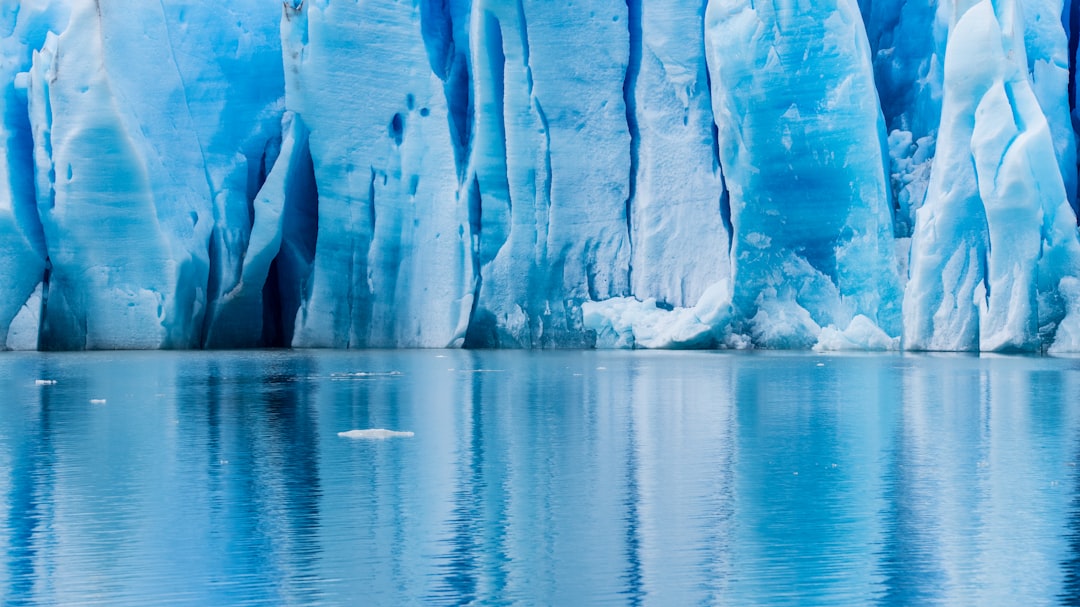
Private transfer into Torres del Paine National Park (~3 hours). Catamaran across Lake Grey when conditions allow, with optional suspension-bridge viewpoint near the glacier (2–2.5 h round trip if weather cooperates).
Trek beside Grey Lake toward the first refuge sector (~11 km typical). Dinner and dormitory or refugio bed — heated common room, shared facilities.
Day 3 — French Valley or weather alternative
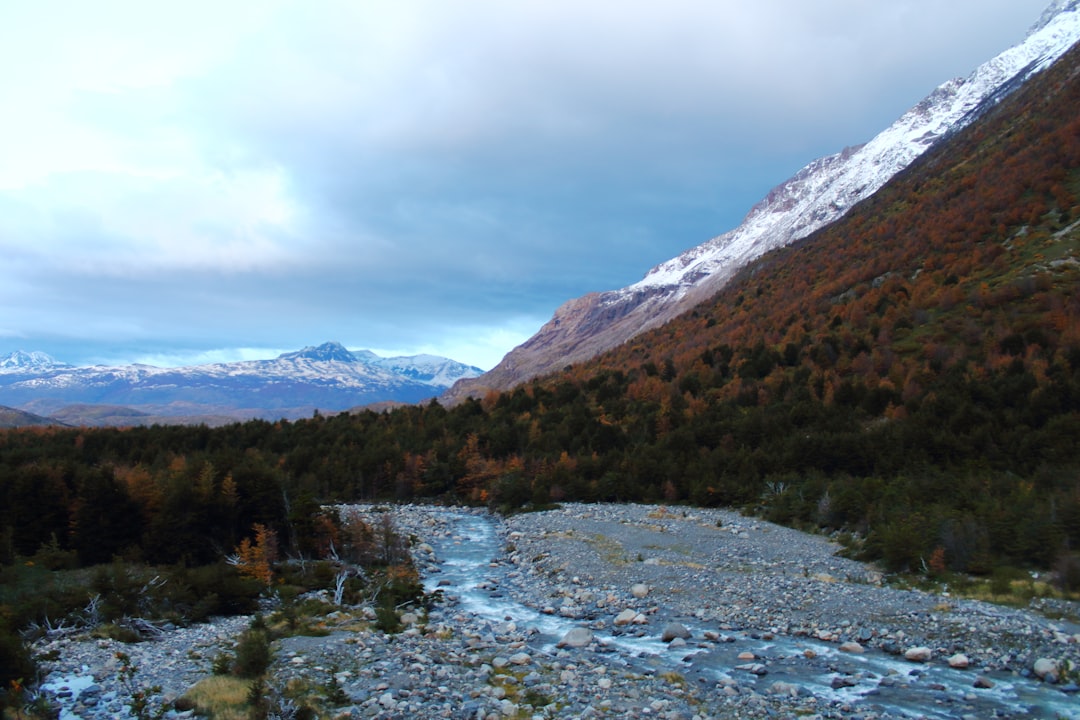
Undulating trail toward the French Valley and Británico lookout when wind permits; otherwise your guide pivots to a sheltered lake circuit that still delivers granite drama without exposed ridges.
Refugio night. Lunch and dinner on trail per your confirmed itinerary.
Day 4 — Base Torres attempt
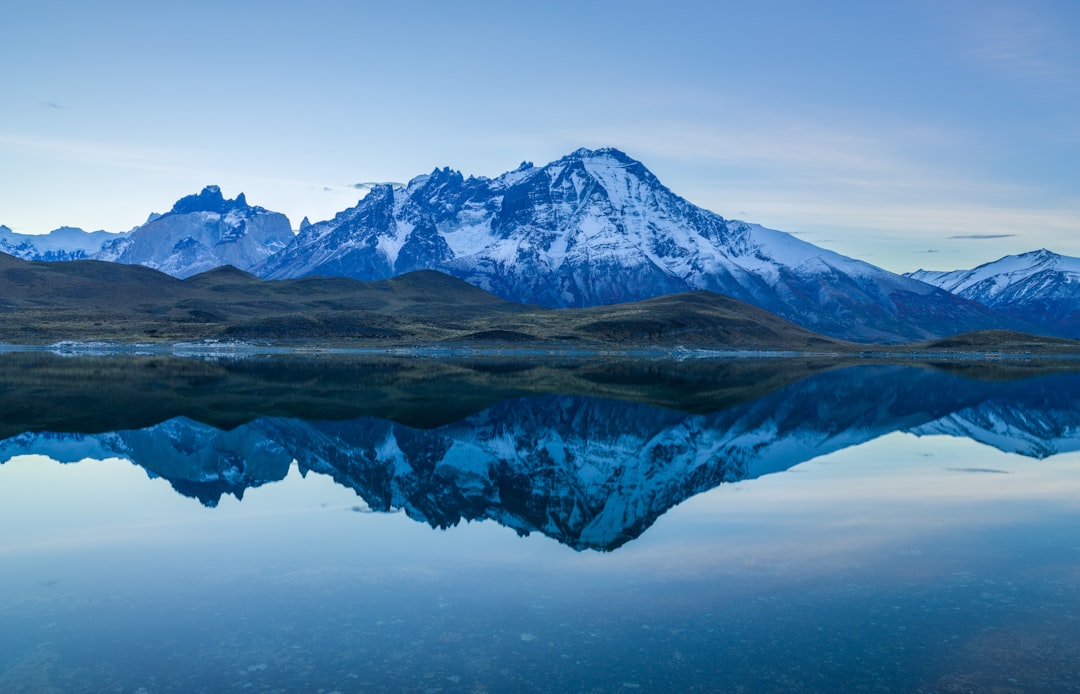
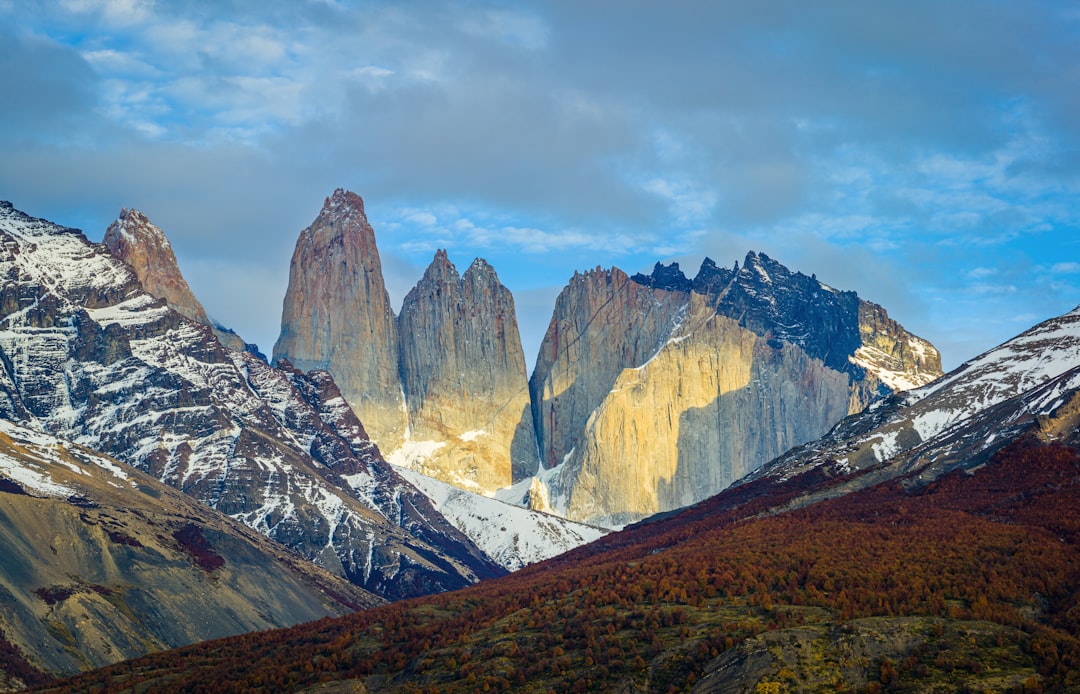
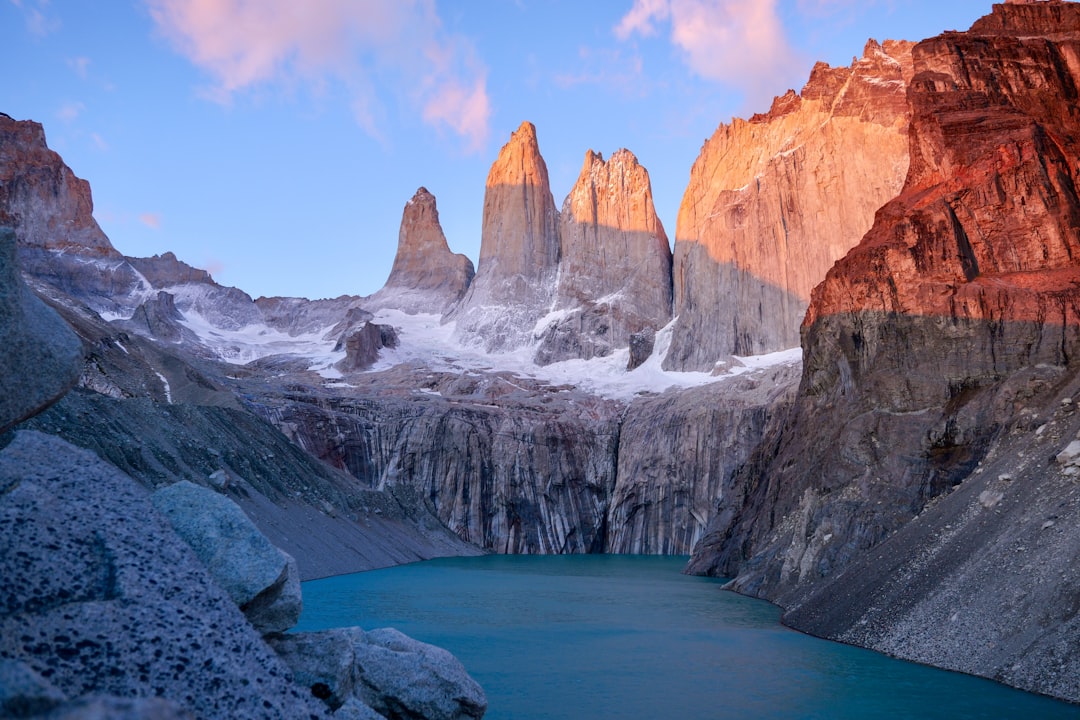
Pre-dawn start for the Base Torres viewpoint when ice on the final ascent is manageable — winter light on the towers is the payoff. If park rangers or conditions block the classic spur, your guide activates a vetted alternative with equally memorable photography.
Return toward park exit or final refuge depending on pacing.
Day 5 — Exit park · celebration Puerto Natales
Morning transfer out of the park. Hot shower, celebratory dinner in Puerto Natales and optional craft-beer stop for trek stories.
Departure next day or connect to wider Chile plans via our Chile destination guide.
Day 6 — Optional buffer (quote add-on)
Many travellers keep a buffer night in Puerto Natales for weather delays or kayak add-ons on Seno Última Esperanza. Ask Travel Differently when building your tailor-made quote.
Gear checklist — winter
Waterproof shell and trousers; insulated jacket; liner gloves plus over-mittens; wool hat; UV sunglasses; trekking poles; 30–40 L daypack; refillable bottle; headlamp with spare batteries. Your briefing lists rental options for crampons or sleeping bag liners if you prefer travelling light on international flights.
Refugio nights — what to expect
Shared dormitories or semi-private rooms with heating in common areas. Blankets and meals are timed to daylight; expect early dinners and hot drinks before 8 p.m. Pack earplugs and a quick-dry towel. Guides coordinate bunk allocation so the group moves as one unit through the W legs. Pack a book for early evenings — mobile signal is patchy inside the park.
Practical notes
- Fitness: medium — expect 8–15 km days with pack; winter footing can be icy.
- Gear: waterproof shell, warm hat, gloves, trekking poles; some rental available locally after briefing.
- Insurance: mandatory adventure cover — Travel Differently confirms before deposit.
- Season: May–September winter window; fewer trekkers, shorter daylight.
Frequently asked questions
Are the Patagonia trek leaders experienced for Torres del Paine?
Yes — dedicated Patagonia teams with decades of winter W Trek departures. Travel Differently only works with vetted ground experts; your quote names guides and emergency contacts.
How does this differ from other winter W Treks on Travel Differently?
This page focuses on refugio pacing and winter logistics with our Puerto Natales trek leaders. For another winter W product, see other winter W Trek departures on Travel Differently.
What fitness level is required?
Medium fitness and comfort with multi-day hiking. You do not need technical climbing skills, but winter ice may require micro-spikes and slower pacing.
What is included in the indicative price?
Park fees and refugios per your signed quote, guided trekking, ground transfers on itinerary days, breakfasts and trail lunches. Dinners in town, flights, insurance and personal gear are excluded unless your quote states otherwise.
Can I combine this with a longer Patagonia tour?
Absolutely — many travellers add Buenos Aires or a summer W trek later. Explore the full Patagonia group tour from Santiago to Buenos Aires or request a tailor-made quote to stitch modules.
Is travel insurance mandatory?
Yes. Winter trekking requires adventure-sports coverage. Travel Differently lists approved insurers and will not confirm without proof.
What happens if weather closes a sector?
Patagonia guides train for whiteouts — alternative hikes, rest days or shortened legs keep the group safe while preserving the experience.
When is the best month for winter trekking?
June–August are core winter; May and September offer shoulder-season light with slightly milder temperatures. Your quote aligns ferry and refugio availability.
Can dietary restrictions be accommodated?
Vegetarian and gluten-aware trail meals are possible with advance notice — state requirements on your Travel Differently quote so refugio kitchens can prepare.
Do I need prior multi-day trekking experience?
Helpful but not mandatory if fitness is honest. Winter conditions favour hikers who have done at least full-day mountain walks with a loaded daypack.




.svg)

_result.webp)

.webp)