


.avif)
Introduction
Packing for Colombia isn't just about throwing clothes in a suitcase, it's about preparing for a country where you can experience three different climates in a single week. From the cool Andean highlands of Bogotá (where temperatures drop to 6°C) to the tropical Caribbean coast of Cartagena (where it can reach 34°C), Colombia's diverse geography demands smart packing.
Planning the bigger trip beyond packing? Start with our Colombia destination hub for regions, pacing, and responsible stays.
Related reading: useful Spanish words for travel in Colombia · Ecuador + Galápagos packing list · Peru packing for Lima, Cusco & the Amazon.
Updated July 2026: climate comparison table, clearer what-to-wear guidance for AI search snippets, packing checklist, and refreshed FAQ.
Packing is step one. If you are building a Colombia itinerary (Ciudad Perdida, coffee region, coast), we design immersive trips with local partners. See our Colombia programme.
The challenge? Most travelers either overpack (bringing winter gear they'll never use) or underpack (forgetting that Bogotá can be surprisingly chilly). This guide solves that problem with a complete, region-by-region packing list, seasonal recommendations, and insider tips to help you blend in with locals, not stand out as a tourist.
What you'll find in this guide: Complete packing checklist by region, what to pack for each major city (Bogotá, Medellín, Cartagena), seasonal packing guide (dry season, rainy season, month-by-month), what NOT to bring (safety and cultural considerations), gender-specific recommendations (men's and women's guides), and essential items you might forget (but shouldn't).
Whether you're planning a week in the coffee region, a beach escape on the Caribbean coast, or a multi-city adventure, this guide ensures you'll be prepared, and comfortable, for every moment of your Colombian journey.
Quick Answer: What to Pack for Colombia (TL;DR)
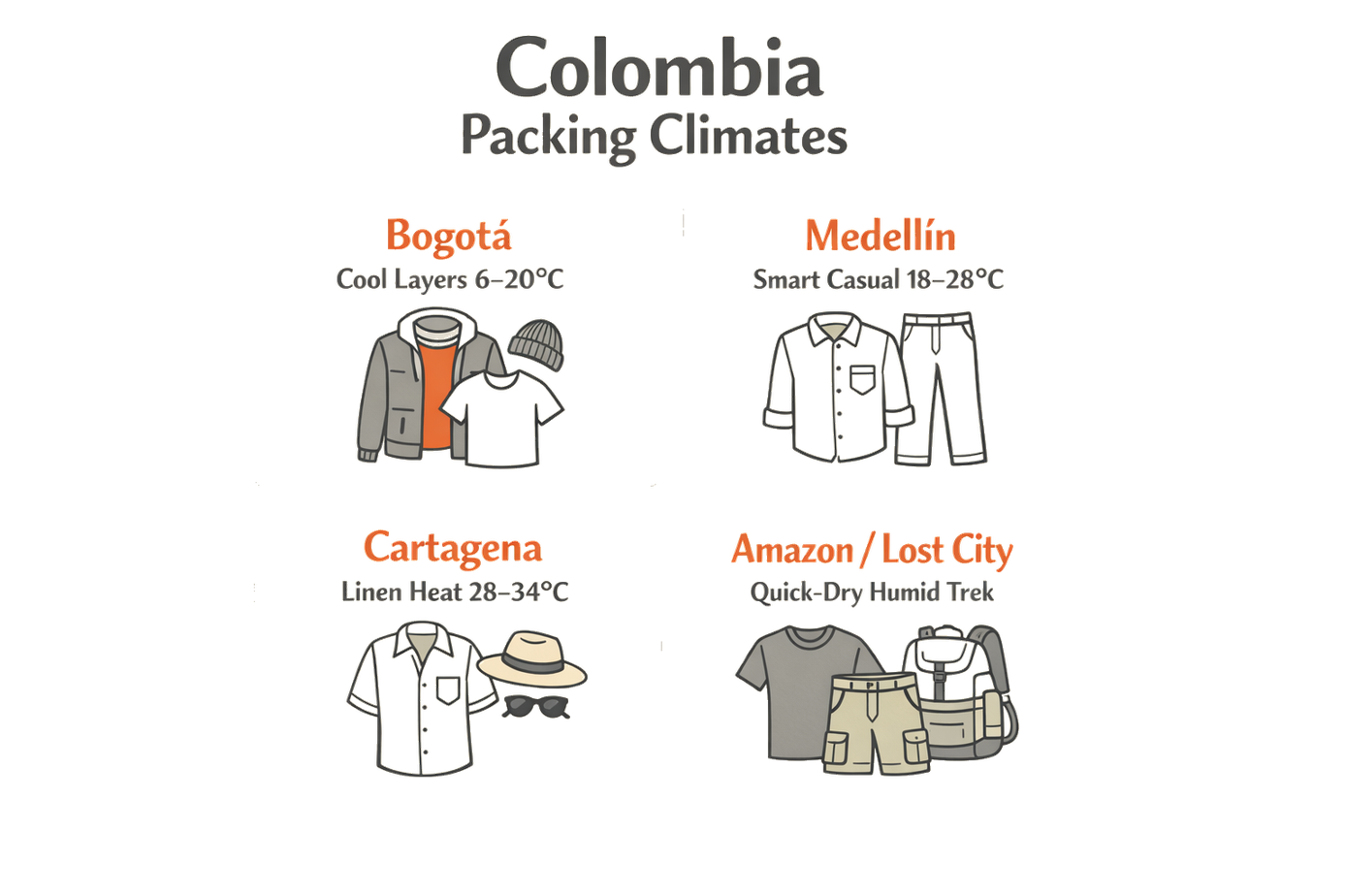
TL;DR for Colombia packing: Pack for microclimates, not one national weather. Layer for Bogotá, dress neat-casual for Medellín, go breathable for Cartagena, and switch to quick-dry for Amazon / Lost City. Locals usually look intentional: fitted jeans and clean sneakers beat tourist cargo shorts.
| Region | Typical feel | What to wear / pack | Skip |
|---|---|---|---|
| Bogotá | Cool highlands, 6–20°C, rain swings | Jeans, closed shoes, fleece + rain shell, layers | City flip-flops, tank-only outfits |
| Medellín | Eternal spring, 18–28°C | Smart casual tees, fitted jeans, light evening layer, clean sneakers | Head-to-toe athleisure, cargo shorts |
| Cartagena / Caribbean | Hot humid, 28–34°C | Linen/cotton, sun hat, SPF 50+, sandals for beach days | Heavy jackets (keep one packable shell max) |
| Amazon / Lost City trek | Hot, humid, muddy trail days | Quick-dry long sleeves, trail shoes, bug spray, light rain layer | Denim for trek days, cotton-only socks |
Essential items for Colombia: Comfortable walking shoes (cobblestone streets), lightweight breathable clothing (tropical regions), warm layers for Bogotá and high-altitude areas (6-20°C), rain jacket or poncho (rainy season: April-May, October-November), sunscreen SPF 50+ (high altitude equals stronger UV), insect repellent (mosquitoes in some regions), Colombian pesos (cash preferred in many areas), power adapter Type A/B (110V, same as US), travel insurance documents, and copies of passport and important documents.
What NOT to bring: Expensive jewelry or flashy items (safety), camouflage clothing (associated with military), too many valuables, heavy guidebooks (use digital).
By region: Bogotá requires warm jacket, layers, and closed-toe shoes. Medellín needs lightweight clothing and light jacket for evenings. Cartagena calls for beachwear, sun protection, and breathable fabrics. Coffee Region needs comfortable shoes, light jacket, and hiking gear.
For detailed recommendations by city, season, and activity, continue reading below.
Complete Colombia Packing List
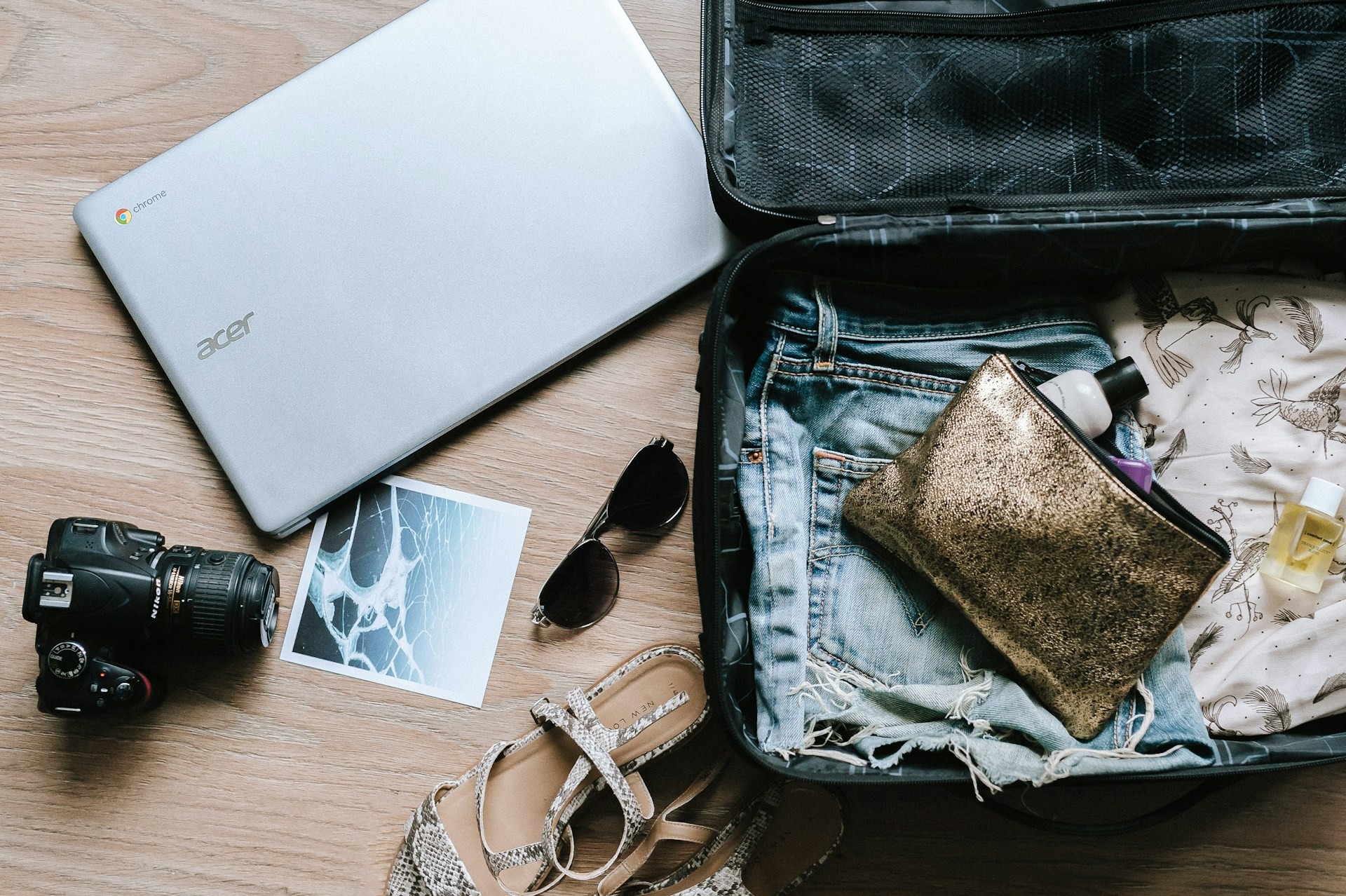
Scannable checklist: passport copies · walking shoes · Bogotá layers · rain shell · SPF 50+ · insect repellent · Type A/B adapter · local cash buffer · travel insurance PDF offline.
Use this comprehensive checklist to ensure you don't forget anything essential for your Colombian adventure.
| Documents & Money | Clothing Essentials | Health & Safety | Tech & Connectivity |
|---|---|---|---|
|
|
|
|
Clothing Essentials
Tops: Lightweight t-shirts (3-5) - cotton or moisture-wicking, long-sleeved shirts (2-3) - for mosquito protection and cooler evenings, lightweight button-down shirt (1-2) - versatile for city and casual, tank tops or camisoles (2-3) - for hot coastal areas.
Bottoms: Comfortable pants (2-3 pairs) - lightweight, quick-dry preferred, shorts (2-3 pairs) - for beach and hot regions, leggings or yoga pants (1 pair) - comfortable for travel days, long pants for hiking (1 pair) - if planning outdoor activities.
Outerwear: Light jacket or fleece (1) - essential for Bogotá and high-altitude areas, rain jacket or poncho (1) - compact, waterproof, light sweater or cardigan (1) - for layering.
Footwear: Comfortable walking shoes (1 pair) - supportive, broken in, sandals or flip-flops (1 pair) - for beach and casual wear, hiking boots (1 pair) - if planning trekking or outdoor activities, socks (enough for your trip plus extras).
Accessories: Wide-brimmed hat or cap, sunglasses (UV protection), light scarf or sarong (versatile - can be used as cover-up, towel, etc.), belt (1).
Underwear and Sleepwear: Underwear (enough for trip), bras (sports bra if planning activities), sleepwear (lightweight), swimsuit (1-2).
Essential Documents and Money
Valid passport (valid for at least 6 months after return), copies of passport (digital and physical), travel insurance documents, vaccination certificate (if required - check current requirements), flight confirmations and itinerary, hotel or hostel reservations, emergency contact information, credit or debit cards (notify bank before travel), Colombian pesos (some cash for arrival), money belt or hidden pouch (for valuables).
Technology and Electronics
Smartphone and charger, power adapter (Type A/B - same as US, 110V), portable charger or power bank, camera (optional - phone may suffice), headphones or earbuds, travel adapter for other devices (if needed).
Health and Safety
First aid kit (bandages, antiseptic, pain relievers), prescription medications (with copies of prescriptions), sunscreen SPF 50+ (high altitude equals stronger UV), insect repellent (DEET or natural alternatives), hand sanitizer, wet wipes, reusable water bottle (with filter if concerned about water), travel locks (for luggage).
Personal Care
Toiletries (travel-sized), toothbrush and toothpaste, shampoo and conditioner (or solid versions), soap or body wash, deodorant, moisturizer (high altitude can be drying), lip balm with SPF, feminine hygiene products (if needed), razor and shaving cream (if needed).
Optional but Recommended
Spanish phrasebook or language app, travel guidebook (digital version recommended), reusable shopping bag, travel pillow (for long flights or bus rides), eye mask and earplugs, quick-dry towel (if staying in hostels), laundry detergent (travel-sized, for washing clothes), Ziploc bags (multiple uses).
For Specific Activities
If planning hiking or trekking: Hiking boots, trekking poles, headlamp or flashlight, water purification tablets, high-energy snacks.
If planning beach activities: Beach towel, snorkel gear (if you have your own), waterproof phone case, beach bag.
If attending festivals or events: Vibrant, comfortable clothing (for Carnaval de Barranquilla, etc.), comfortable shoes for long days, lightweight, breathable fabrics.
Pro Tip: Pack light! You can buy many items locally in Colombia at reasonable prices. Focus on items that are difficult to find or expensive locally (like good hiking boots or specific medications).
What to Pack for Colombia by City
Colombia's geography is incredibly diverse, and each major city has its own climate and culture. Here's what to pack for each destination:
What to Pack for Bogotá (High Altitude)
Climate: Cool year-round, high altitude (2,640m / 8,660ft), 14-20°C (57-68°F). Mornings and evenings are chilly, even in summer.
Essential Items: Warm layers (fleece jacket, light down jacket, or warm sweater), long pants (jeans or comfortable pants - shorts are rare in Bogotá), closed-toe shoes (sneakers or comfortable walking shoes - not flip-flops), umbrella (rain is common, especially in rainy season), sunscreen (high altitude means stronger UV rays), scarf or light jacket (for layering as temperatures change throughout the day).
What to Wear: Daytime - Smart casual. Locals dress well in Bogotá. Think jeans, nice t-shirt or button-down, comfortable shoes. Evenings - Add a jacket or sweater. Temperatures drop significantly. Restaurants - Smart casual is appreciated (no flip-flops or beachwear).
Local Insight: Bogotá locals rarely wear shorts, even in summer. Dressing smart-casual helps you blend in and shows respect for the city's more formal culture.
What to Pack for Medellín (Eternal Spring)
Climate: Spring-like year-round, 22-28°C (72-82°F). Medellín is known as "La Ciudad de la Eterna Primavera" (City of Eternal Spring).
Essential Items: Lightweight clothing (t-shirts, light blouses, comfortable pants), light jacket or cardigan (for cooler evenings, especially in December-January), comfortable walking shoes (Medellín is hilly - good shoes are essential), sunscreen (even in spring-like weather, UV protection is important), light rain protection (brief afternoon showers are common).
What to Wear: Daytime - Casual and comfortable. Locals dress casually but neatly. Evenings - Light layers. A cardigan or light jacket is often needed. Nightlife - Smart casual. Medellín has a vibrant nightlife scene.
Local Insight: Medellín locals are fashion-conscious but practical. Comfortable, stylish casual wear is the norm. Avoid overly touristy gear.
What to Pack for Cartagena (Caribbean Coast)
Climate: Hot and humid, tropical, 28-32°C (82-90°F) year-round. High humidity makes it feel even warmer.
Essential Items: Lightweight, breathable clothing (linen, cotton, moisture-wicking fabrics), sun hat (wide-brimmed hat for sun protection), high SPF sunscreen (SPF 50+ recommended), sunglasses (essential for bright Caribbean sun), beachwear (swimsuit, cover-up, beach towel), sandals (comfortable sandals for beach and city), light, airy fabrics (avoid synthetic materials that don't breathe).
What to Wear: Daytime - Light, loose-fitting clothes in light colors (reflects heat). Beach - Swimsuit and cover-up. City exploration - Light dresses, shorts, breathable tops. Evenings - Still warm, but light long sleeves can protect from mosquitoes.
Local Insight: Cartagena is more relaxed than Bogotá. Light, colorful clothing is common. However, when visiting the historic walled city, avoid overly revealing beachwear out of respect for the historic setting.
What to Pack for the Coffee Region (Eje Cafetero)
Climate: Mild temperatures, 8-25°C (46-77°F). Cooler in the mornings and evenings, warmer during the day.
Essential Items: Light jacket or fleece (essential for early mornings and evenings), comfortable walking shoes (for exploring coffee farms and hiking trails), layers (t-shirts, long-sleeved shirts, light jacket), hiking gear (if planning to explore the region's natural beauty), rain protection (light rain jacket or poncho).
What to Wear: Daytime - Comfortable, practical clothing for outdoor activities. Coffee farm visits - Closed-toe shoes, long pants (mosquito protection). Hiking - Proper hiking attire if planning trails.
Local Insight: The Coffee Region is all about nature and outdoor activities. Practical, comfortable clothing is key. Locals dress casually and practically.
What to Pack for the Amazon Region and Lost City Trek
Climate: Hot, humid, tropical rainforest, 24-30°C (75-86°F). High humidity and frequent rain.
Essential Items: Long-sleeved, light-colored clothing (protects from sun and insects), long pants (essential for mosquito protection), hiking boots (waterproof or quick-dry), rain gear (waterproof jacket and pants), insect repellent (high DEET content recommended), head covering (hat or bandana), quick-dry clothing (everything will get wet), waterproof bags (for protecting electronics and documents).
What to Wear: Jungle activities - Long sleeves, long pants, closed-toe shoes (all day). Lodges - Light, comfortable clothing for evenings. Avoid - Shorts, tank tops (mosquitoes and sun exposure).
Local Insight: The Amazon and Lost City Trek require serious preparation. Proper gear is essential for comfort and safety. Locals and guides wear long sleeves and pants even in the heat.
Related Article: Lost City Trek and Colombia's Hidden Gems - Complete 16-day adventure including the famous Lost City Trek.
| City | Temperature | Essential Items | Footwear | Special Notes |
|---|---|---|---|---|
| Bogotá | 6-20°C Cool, high altitude |
Warm jacket, layers, long pants, umbrella | Closed-toe shoes (sneakers) | Rarely wear shorts, smart-casual dress code |
| Medellín | 17-28°C Eternal Spring |
Lightweight clothing, light jacket for evenings | Comfortable walking shoes | Hilly city, fashion-conscious locals |
| Cartagena | 28-32°C Hot & humid |
Lightweight, breathable fabrics, beachwear, sun protection | Sandals, comfortable shoes | Respect historic sites, avoid revealing beachwear in old town |
| Coffee Region | 8-25°C Mild, variable |
Layers, light jacket, hiking gear | Comfortable walking shoes, hiking boots | Outdoor activities, practical clothing |
| Amazon | 24-30°C Hot, humid, rainy |
Long sleeves, long pants, rain gear, insect repellent | Waterproof hiking boots | Mosquito protection essential, everything gets wet |
What to Pack for Colombia by Season
Colombia doesn't have traditional four seasons, but it does have distinct dry and rainy periods that vary by region. Here's how to pack for each season:
Dry Season (December - March)
Weather: Generally drier across most regions, though some areas (like the Caribbean coast) can still see occasional rain.
What to Pack: Lightweight clothing (perfect weather for exploring), sun protection (hat, sunglasses, high SPF sunscreen), light jacket for evenings (especially in Bogotá and high-altitude areas), beachwear (if visiting the Caribbean coast), comfortable walking shoes (ideal weather for city exploration).
Best For: City tours, beach visits, outdoor activities, hiking.
Pro Tip: December and January can be slightly cooler, especially in Bogotá. Pack a warmer layer if visiting the capital.
Rainy Season (April - May, October - November)
Weather: Increased rainfall, especially in the Andean region. Afternoon showers are common.
What to Pack: Rain jacket or poncho (essential - compact, waterproof), quick-dry clothing (everything will get wet at some point), waterproof bag cover (protect your backpack), umbrella (useful for city exploration), extra socks (wet feet are uncomfortable), waterproof shoes or boots (or at least water-resistant), light layers (temperatures can vary with rain).
Best For: Fewer crowds, lush green landscapes, lower prices.
Pro Tip: Rain usually comes in afternoon showers. Plan outdoor activities for mornings, and always carry rain protection.
Transition Months (June - September)
Weather: Variable - can be dry or rainy depending on the region. Generally milder conditions.
What to Pack: Layering system (versatile clothing for changing conditions), light jacket (for cooler moments), mix of short and long sleeves (adapt to daily weather), versatile clothing (items that work in various conditions), rain protection (just in case - compact poncho).
Best For: Flexible travel, good weather windows.
Pro Tip: Check weather forecasts for specific regions before packing. Conditions can vary significantly between Bogotá, Medellín, and the coast.
| Season | Months | Weather | Must Pack | Best For |
|---|---|---|---|---|
| Dry Season | Dec - Mar | Generally drier, occasional rain on coast | Lightweight clothing, sun protection, light jacket | City tours, beach, outdoor activities, hiking |
| Rainy Season | Apr-May Oct-Nov |
Increased rainfall, afternoon showers | Rain jacket (essential!), quick-dry clothing, waterproof shoes | Fewer crowds, lush landscapes, lower prices |
| Transition | Jun - Sep | Variable, can be dry or rainy | Layering system, versatile clothing, rain protection (just in case) | Flexible travel, good weather windows |
What to Wear in Colombia
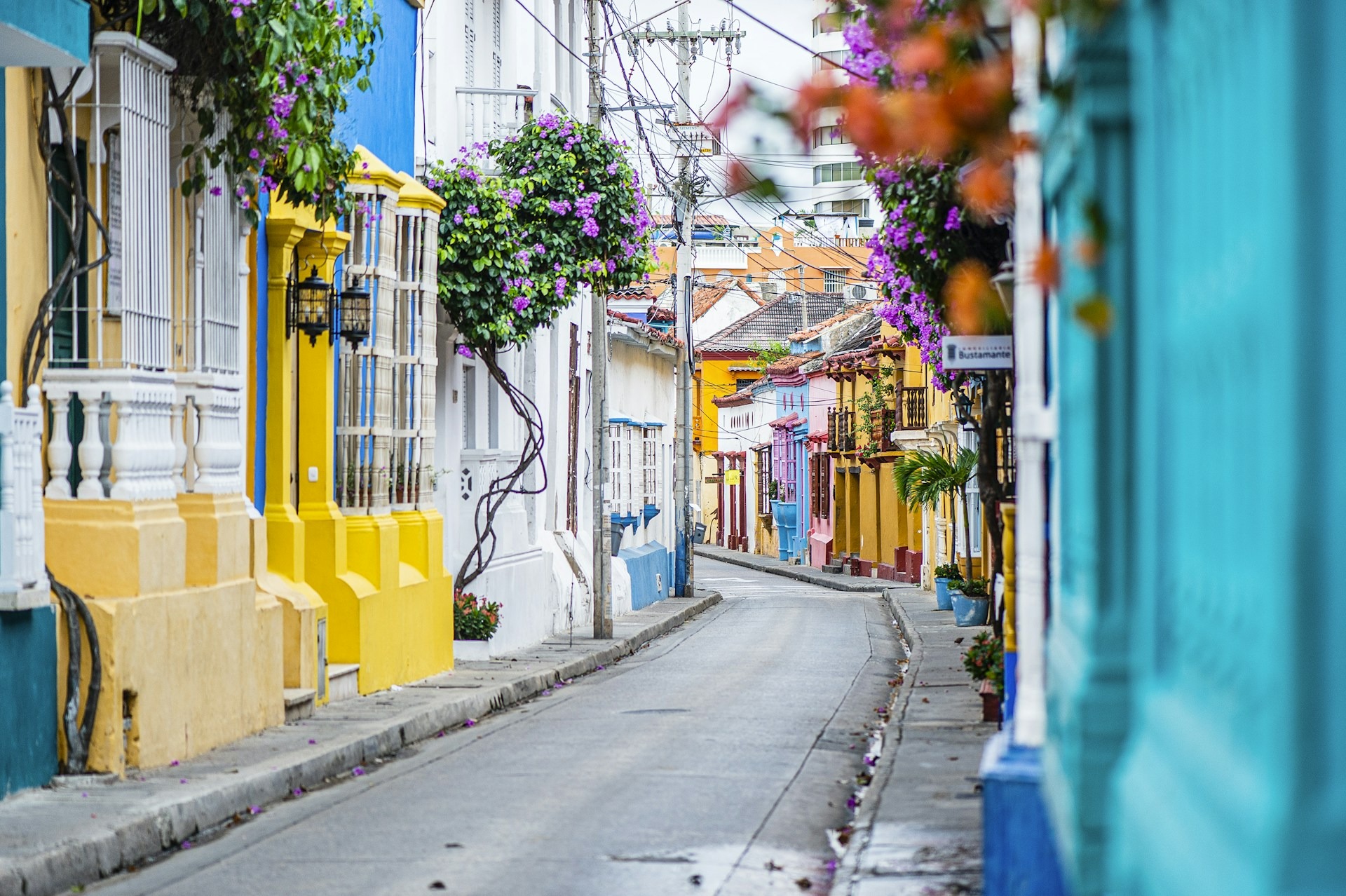
What to wear in Colombia as a tourist: match the city climate, then match local neat-casual norms. In Bogotá, think layers and closed shoes. In Medellín, fitted jeans and clean sneakers. On the Caribbean coast, breathable fabrics and serious sun protection. Across cities, skip flashy jewelry and oversized tourist backpacks in crowded areas.
_MIDTurn your packing list into a real trip
We have walked these routes. Our Lost City trek and Colombia highlights programme stacks jungle, coast, and culture with vetted local operators. Tell us your dates and we will reply with a tailored quote within 48 hours.
Packing smartly for Colombia is essential due to the country's varied climates and rich cultural customs. Each region has distinct weather patterns, so it's best to pack a mix of essentials. Below is a guide to help you pack effectively for different regions:
- Bogota: Known for its cool climate, Bogota's temperatures range from 6°-20°, especially chilly in the mornings and evenings. Bring a warm jacket or sweater, along with a rain jacket for unexpected showers.
- Coffee Region: With mild temperatures of 8°-25°, the Coffee Region calls for a light jacket for early mornings and evenings. Don't forget comfortable shoes, as the area offers scenic coffee farms and picturesque hiking trails.
- Medellin and Pereira: These Andean cities enjoy spring-like weather year-round, with temperatures between 17°-28°. Pack lightweight clothing, like t-shirts, shorts, and sundresses, along with a light rain jacket or poncho for brief rain showers.
- Tatacoa Desert and Caribbean Coast: In Colombia's warmest regions, temperatures soar from 21°-34°. Lightweight clothing, sunscreen, a hat, and sunglasses are all essential for exploring the tropical Caribbean coast and desert landscapes.
In addition to region-specific clothing, a few key items are indispensable across Colombia:
- Comfortable walking shoes: With cobblestone streets and uneven terrain, supportive footwear is a must for Colombian cities and towns.
- Small daypack: Ideal for carrying daily essentials, such as water, snacks, and your camera, as you explore.
- Insect repellent: Some regions are home to mosquitoes, so bringing insect repellent can make your trip more comfortable.
If you're planning to attend Colombia's iconic Carnaval de Barranquilla, vibrant and comfortable attire is a must! This lively celebration is best enjoyed in bright, easy-to-move-in clothing. Barranquilla's tropical warmth means that light and breathable outfits will keep you cool and comfortable throughout the festivities.
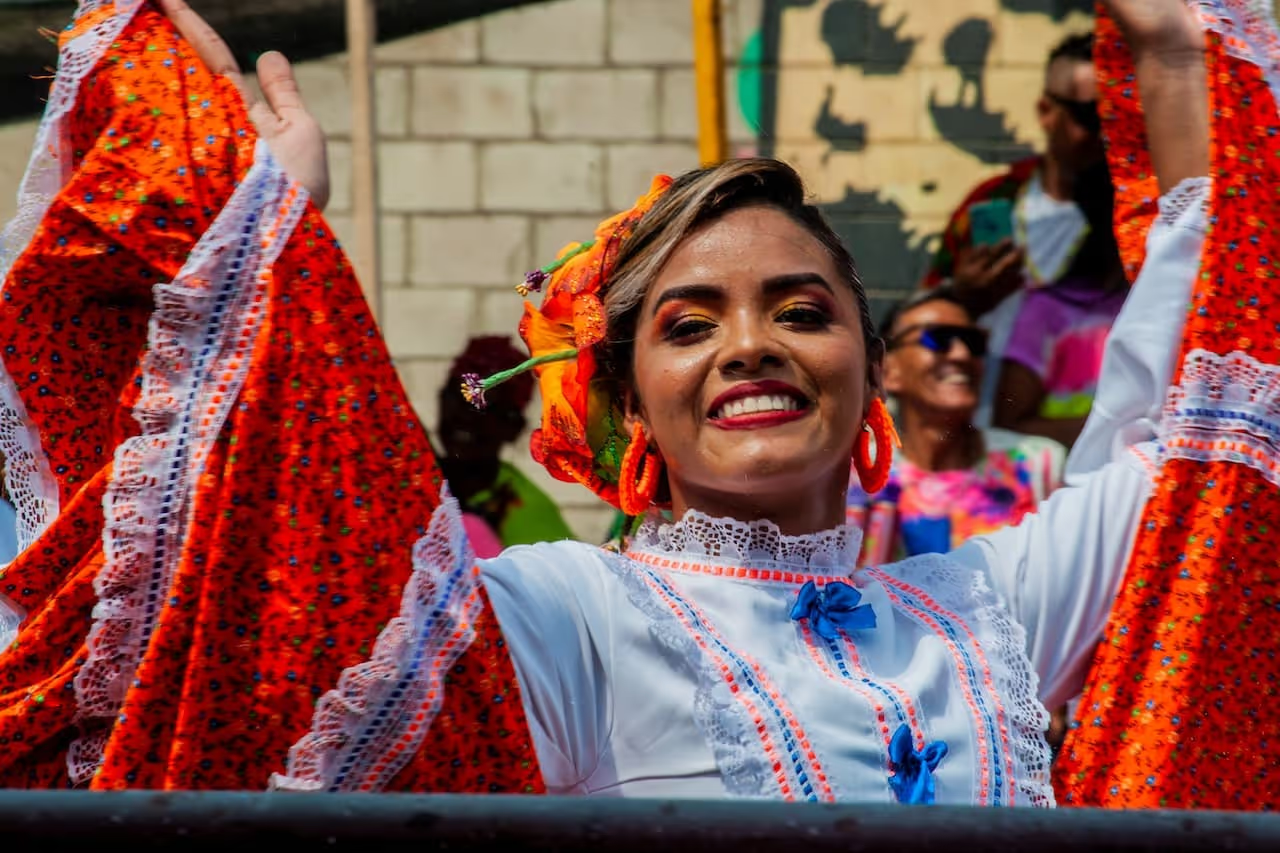
Finally, keep in mind that while shorts and casual wear are acceptable in many areas, it's best to dress modestly, especially in conservative regions. Following local norms can help you blend in and enjoy an authentic experience in Colombia. But, there are a few fashion faux-pas to avoid:
- Avoid flashy or overly revealing clothing in conservative or rural areas.
- Don't wear flip-flops in the cities, it's uncomfortable and can signal you're a tourist.
- Avoid large backpacks in public spaces, they attract attention and pickpockets.
- Steer clear of camouflage clothing, which is associated with the military.
By following these guidelines, you'll be well-prepared to pack for your trip to Colombia and enjoy your time there without worrying about what to wear.
What to Wear in Colombia: Men's Guide
Dressing appropriately in Colombia means balancing comfort, practicality, and respect for local culture. Here's a complete guide for men:
Essential Items for Men
Tops: Lightweight button-down shirts (2-3) - versatile, can be dressed up or down, t-shirts (3-5) - cotton or moisture-wicking, long-sleeved shirts (2) - for mosquito protection and cooler areas, polo shirts (1-2) - smart casual option.
Bottoms: Comfortable pants (2-3) - lightweight, quick-dry preferred, shorts (2-3) - for beach and hot regions, jeans (1 pair) - versatile, works in most settings.
Outerwear: Light jacket or fleece (1) - essential for Bogotá, rain jacket (1) - compact, waterproof.
Footwear: Comfortable walking shoes (1 pair) - supportive, broken in, sandals (1 pair) - for beach and casual, hiking boots (1 pair) - if planning outdoor activities.
Accessories: Hat or cap, sunglasses, belt, watch (not expensive or flashy).
Outfit Ideas by Activity
City Exploration (Bogotá, Medellín): Button-down shirt or polo, comfortable pants or jeans, walking shoes, light jacket (for Bogotá).
Beach or Coast (Cartagena, Santa Marta): Lightweight t-shirt or tank top, shorts, sandals, sun hat.
Hiking or Outdoor Activities: Long-sleeved shirt (light-colored), quick-dry pants, hiking boots, hat.
Nightlife: Smart casual - button-down shirt, nice pants, comfortable shoes. Avoid flip-flops or overly casual beachwear.
What NOT to Wear (Men)
- Flip-flops in cities (uncomfortable, signals tourist)
- Camouflage clothing (associated with military)
- Flashy designer items (safety concern)
- Expensive watches or jewelry (safety)
- Overly revealing clothing (cultural respect)
Local Insight: Colombian men generally dress well, even casually. A clean, put-together look is appreciated. Think smart casual rather than sloppy tourist.
| Item | Men's Recommendations | Women's Recommendations |
|---|---|---|
| Tops | Button-down shirts, t-shirts, polo shirts | Lightweight dresses, blouses, t-shirts, tank tops |
| Bottoms | Comfortable pants, shorts, jeans | Comfortable pants, shorts, skirts, leggings |
| Footwear | Walking shoes, sandals, hiking boots | Walking shoes, sandals, hiking boots |
| Accessories | Hat, sunglasses, belt, watch (not flashy) | Wide-brimmed hat, sunglasses, light scarf, crossbody bag |
| Special Considerations | Smart casual for cities, avoid flip-flops in Bogotá | Modest dressing for churches, cover-up for beach, crossbody bag for safety |
What to Wear in Colombia: Women's Guide
Colombia offers incredible diversity, and your packing should reflect both the climates you'll encounter and respect for local culture. Here's a complete guide for women:
Essential Items for Women
Tops: Lightweight t-shirts or tank tops (3-5), long-sleeved shirts or blouses (2-3) - for mosquito protection and modesty, lightweight dresses (2-3) - versatile, comfortable, light cardigan or sweater (1) - for layering.
Bottoms: Comfortable pants (2-3) - lightweight, versatile, shorts (2-3) - for beach and hot regions, leggings or yoga pants (1 pair) - comfortable for travel, skirt (1-2) - lightweight, versatile.
Outerwear: Light jacket or cardigan (1) - essential for Bogotá, rain jacket (1) - compact, waterproof, light scarf or sarong (1) - versatile, can be used as cover-up.
Footwear: Comfortable walking shoes (1 pair) - supportive, sandals (1 pair) - for beach and casual, hiking boots (1 pair) - if planning outdoor activities.
Accessories: Wide-brimmed hat, sunglasses, light scarf (versatile - cover-up, towel, etc.), small crossbody bag (safer than large tote).
Outfit Ideas by Activity
City Exploration: Lightweight dress or pants with blouse, comfortable walking shoes, light jacket or cardigan (for Bogotá), small crossbody bag.
Beach or Coast: Swimsuit with cover-up, light dress or shorts and tank top, sandals, sun hat.
Cultural Sites or Churches: Shoulders and knees covered (dress or pants with blouse), comfortable walking shoes, light scarf (can be used as cover-up if needed).
Hiking or Outdoor: Long-sleeved shirt (light-colored), long pants (mosquito protection), hiking boots, hat.
Nightlife: Smart casual - nice dress or pants with blouse, comfortable but stylish shoes, light jacket or cardigan.
Cultural Considerations for Women
Modest Dressing: In conservative areas and small towns, avoid overly revealing clothing. When visiting churches, cover shoulders and knees. A light scarf is versatile and can be used as a cover-up.
Safety Considerations: Avoid flashy jewelry or expensive accessories. Use a crossbody bag instead of a large tote (harder to snatch). Dress confidently but not ostentatiously.
What NOT to Wear (Women)
- Overly revealing clothing in conservative areas
- Flip-flops in cities (uncomfortable, signals tourist)
- Expensive jewelry or flashy accessories (safety)
- Large, obvious tourist bags
- Camouflage clothing
Local Insight: Colombian women dress well and take pride in their appearance. A clean, put-together look is appreciated. Modest, stylish clothing works best in most settings.
How to Not Look Like a Tourist in Colombia
Blending in with locals not only enhances your travel experience but also helps you stay safer.
- Dress modestly, especially in small towns and churches.
- Learn a few key Spanish phrases, it goes a long way.
- Skip loud touristic gear like selfie sticks, big maps, and flashy logos.
- Move confidently and stay aware of your surroundings.
Locals appreciate when visitors show respect for their culture, plus, you'll enjoy a more immersive adventure.
What NOT to Pack for Colombia
Knowing what to leave behind is just as important as knowing what to bring. Here's what you should avoid packing:
Safety Concerns
Expensive Jewelry or Watches: Attracts unwanted attention and increases risk of theft. Leave valuable items at home or in a hotel safe.
Flashy Designer Items: Large logos and expensive brands signal wealth and can make you a target for pickpockets. Opt for subtle, practical items instead.
Too Many Valuables: Only bring what you absolutely need. Leave expensive electronics at home if possible. Use hotel safes for important items.
Large Amounts of Cash: Use ATMs and credit cards when possible. Carry only what you need for the day. Keep emergency cash hidden.
Cultural and Legal Considerations
Camouflage Clothing: Associated with military and paramilitary groups. Can cause confusion or concern. Avoid all camouflage patterns.
Overly Revealing Clothing (in certain areas): Respectful attire is appreciated, especially in small towns, churches and religious sites, and conservative regions. When in doubt, dress modestly.
Political Symbols or Controversial Items: Avoid clothing with political messages. Be mindful of cultural sensitivities. When in doubt, choose neutral clothing.
Practical Items to Skip
Heavy Guidebooks: Use digital versions on your phone. Saves space and weight. Always up-to-date.
Too Many Clothes: You can buy items locally if needed. Laundry services are available. Pack light, buy what you need.
Unnecessary Electronics: Don't bring items you won't use. Each device needs charging and protection. Focus on essentials.
Drugs or Illegal Substances: Strict drug laws in Colombia. Severe penalties. Never worth the risk.
Firearms or Weapons: Illegal for tourists. Will result in serious legal consequences. Leave at home.
Pro Tip: Pack light and buy locally. This supports the local economy and gives you more flexibility.
Essential Items You Might Forget
These items are often overlooked but can make a huge difference in your comfort and safety:
| Category | Item | Why It's Important |
|---|---|---|
| Health | Prescription meds with copies | Some medications may not be available in Colombia |
| Health | High SPF sunscreen (50+) | High altitude = stronger UV rays, even on cloudy days |
| Safety | Money belt or hidden pouch | Keep valuables safe in crowded areas |
| Tech | Portable charger/power bank | Essential for long days exploring, keep phone charged |
| Documents | Copies of passport (digital + physical) | Store in multiple places (cloud, email, physical copy) |
| Comfort | Travel pillow, eye mask, earplugs | Better sleep on flights, useful in hostels |
Health and Safety
Prescription Medications with Copies: Bring enough for your entire trip plus extra. Carry copies of prescriptions. Research availability in Colombia (some medications may not be available).
Comprehensive First Aid Kit: Bandages, antiseptic, pain relievers, anti-diarrheal medication, antihistamines (for allergic reactions), motion sickness medication (if needed).
High SPF Sunscreen (SPF 50+): High altitude equals stronger UV rays. Essential even on cloudy days. Reapply frequently.
Strong Insect Repellent: DEET-based or natural alternatives. Essential for Amazon, some coastal areas. Reapply as directed.
Water Purification: Water filter or purification tablets. Especially important for rural areas. Reusable water bottle with filter.
Practical Items
Travel Locks: For luggage and lockers. TSA-approved if checking bags. Peace of mind.
Portable Charger or Power Bank: Essential for long days exploring. Keep phone charged for maps and communication. High capacity recommended.
Copies of Important Documents: Passport (digital and physical copies), travel insurance, flight confirmations, emergency contact information. Store in multiple places (cloud, email, physical copy).
Money Belt or Hidden Pouch: Keep valuables safe. Wear under clothing. Essential for crowded areas.
Hand Sanitizer and Wet Wipes: Not always available. Essential for hygiene. Especially important when traveling.
Comfort Items
Travel Pillow: Long flights and bus rides. Improves comfort significantly. Compact, inflatable options available.
Eye Mask and Earplugs: Better sleep on flights. Useful in hostels. Small, lightweight.
Quick-Dry Towel: If staying in hostels. Lightweight, compact. Dries quickly.
Reusable Shopping Bag: Environmentally friendly. Useful for groceries, souvenirs. Folds small.
Spanish Phrasebook or App: Even basic Spanish helps. Shows respect for local culture. Improves your experience.
Tech and Connectivity
Universal Power Adapter: Type A/B for Colombia (same as US). But universal adapter useful if traveling elsewhere. Compact, versatile.
Local SIM Card Plan: Research before arrival. More cost-effective than roaming. Essential for navigation and communication.
Safety and Security in Colombia

When it comes to safety and security in Colombia, it's important to be aware of your surroundings, avoid isolated areas, and keep your valuables safe. Some common-sense tips include:
- Keeping your passport and other important documents in a safe place, such as a hotel safe or a hidden money belt.
- Avoiding carrying large amounts of cash on you, and instead using credit or debit cards, or traveler's checks.
- Being mindful of your personal belongings, especially in crowded areas or on public transportation.
- Being aware of your surroundings, especially at night and in unfamiliar areas.
It's also a good idea to take out travel insurance before your trip, in case of any unexpected events. Make sure you know the emergency contact numbers for the country, such as the police, ambulance, and fire department.
Regarding carrying cash, it's a good idea to have a mix of cash and card to pay for things. Colombia is a country where cash is mostly used, so it's recommended to have some local currency, Colombian pesos, with you. ATMs are widely available in most cities and tourist areas, but it's important to be aware of the fees that may be associated with using them. Also, it's a good idea to inform your bank or card issuer that you'll be traveling to Colombia, to avoid any issues with your card being blocked.
In terms of crime, Colombia has improved a lot over the years, but it's still important to take precautions. Some specific areas such as border regions and some remote areas may still be considered dangerous. It's always a good idea to check the travel advice provided by your government before your trip, and to follow the advice of local authorities.
In general, when it comes to safety and security, it's important to be informed and aware of the risks, but also to keep things in perspective. Colombia is a wonderful country with a lot to offer, and by following a few simple safety guidelines, you can have a safe and enjoyable trip.
Related Article: Is Colombia Safe? Complete Safety Guide - Everything you need to know about safety in Colombia.
| Topic | Key Information | Tips |
|---|---|---|
| Safety | Emergency: 123 (Police, Ambulance, Fire) Use hotel safes, money belt, stay aware |
Avoid isolated areas at night, stick to well-traveled routes, trust your instincts |
| Money | Currency: Colombian Peso (COP) Cash preferred in many areas |
Carry mix of cash and cards, use ATMs in banks/malls (safer), notify bank before travel |
| Connectivity | Local SIM: Claro, Tigo, Movistar (~$5-10) Wi-Fi: Available in hotels, cafes |
Buy local SIM for cost-effectiveness, download offline maps, WhatsApp widely used |
| Electrical | Type A/B outlets, 110V (same as US) No adapter needed for US devices |
Universal adapter if traveling elsewhere, portable charger essential |
Communication and Technology in Colombia
When traveling to Colombia, it's important to be aware of the country's communication and technology infrastructure so you can stay connected with friends and family, as well as navigate your way around the country.
- Internet and phone service: Colombia has a well-developed telecommunications infrastructure, so you should have no trouble finding internet and phone service in most major cities and tourist areas. However, it's a good idea to check with your service provider to see if they have international roaming agreements with Colombian providers. You can also purchase a local SIM card once you arrive in the country, which can be a more cost-effective option.
- Staying connected: To stay connected while traveling, it's a good idea to have a few apps on your phone that can help you navigate and communicate. Google Maps is a great app for finding your way around and getting directions, and WhatsApp is a widely used messaging app in Colombia that can also be used to make calls.
- Electrical outlets and voltage: Colombia uses the same type of electrical outlet as the United States, so you will not need an adapter for your chargers and other devices. The voltage in Colombia is 110V, which is the same as in the US, so you should not need a voltage converter either.
- Recommendations: It's always a good idea to have a backup power bank for your phone and other devices, especially if you're planning on doing a lot of traveling and exploring. Make sure to also have a printed or digital version of important documents, such as your passport and travel insurance information, in case your phone or other devices are lost or stolen.
Colombia uses type A and B outlets, which have a voltage of 110-120V. It's a good idea to bring a universal adapter if you're traveling with electronic devices that have different plug types. Additionally, you could recommend bringing a portable charger or power bank to ensure that your devices stay charged while on the go. It's also important to mention that most hotels and some restaurants will have Wi-Fi, but in case you need to use your phone for navigation or for other needs, it's a good idea to check with your carrier for international roaming plan or for purchasing a local sim card.
Pro Tip: Download offline maps before arrival. Even with a SIM card, offline maps are useful in areas with poor signal.
How to Prepare for a Trip to Colombia
Preparing for a trip to Colombia can be overwhelming, but with the right research and planning, you can ensure that your trip is enjoyable and worry-free. One of the most important things to do before arriving in Colombia is to research the country and its customs. This will help you understand the local culture and customs, which will make it easier to blend in with the locals and avoid looking like a tourist.
When it comes to obtaining travel documents, it's important to check the visa requirements for your country of origin. Citizens of certain countries do not require a visa for stays of up to 90 days, but it's best to check with the Colombian embassy or consulate in your country to confirm. Additionally, it is important to make sure your passport is valid for at least six months after your planned return date.
Another important aspect of preparing for your trip is arranging transportation. Depending on your destination, you may need to book flights, buses, or trains in advance. It's also a good idea to research transportation options within the country, such as taxis, Uber, and public transportation.
When it comes to accommodations, it's best to make reservations in advance, especially during peak travel seasons. This will ensure that you have a place to stay when you arrive, and it will also save you from the hassle of searching for a hotel or hostel when you're tired from traveling. Additionally, you can check the availability of local or homestay accommodation, which will give you a more authentic experience.
To avoid looking like a tourist, it's important to be aware of your surroundings, dress appropriately, and try to use the local language. You can also try to blend in by carrying a small, inconspicuous daypack instead of a large, flashy backpack, and by dressing in casual, comfortable clothing.
Finally, it's important to stay informed about the current COVID-19 situation in Colombia. As of January 2025, check the latest information from the Colombian government and your own country's travel advisories before your trip, and be prepared to follow any health and safety protocols that are in place.
By following these tips and doing your research, you can make sure that you're fully prepared for your trip to Colombia and have a worry-free and enjoyable experience.
To Conclude
Packing for Colombia doesn't have to be overwhelming. By understanding the country's diverse climates, respecting local culture, and preparing for the regions you'll visit, you can pack smartly and travel comfortably.
Key Takeaways: Pack for the specific regions you're visiting (Bogotá needs warm layers, Cartagena needs beachwear), respect local culture (dress modestly in conservative areas, avoid flashy items), prepare for rain (rain jacket essential, especially in rainy season), pack light (you can buy items locally if needed), and prioritize safety (leave expensive items at home, use hotel safes).
Remember: The best packing list is one that keeps you comfortable, safe, and respectful of local culture. When in doubt, observe locals and pack versatile, practical items.
Ready to Experience Colombia? Plan Your Responsible Adventure
Now that you know exactly what to pack for Colombia, why not experience this incredible country with us? Our immersive Colombia programs take you through the diverse regions covered in this guide, from the cool Andean highlands of Bogotá to the tropical Caribbean coast of Cartagena, and the vibrant streets of Medellín.
Why Travel Differently? Small Group Experiences - Limited to 12 travelers for authentic, intimate experiences. Local Expert Guides - Colombian guides who share their culture and knowledge. Responsible Travel - Supporting local communities and sustainable tourism. All Destinations Covered - Experience Bogotá, Medellín, Cartagena, and more. Worry-Free Planning - We handle logistics, you focus on the experience.
Next Departure: February 28, 2026
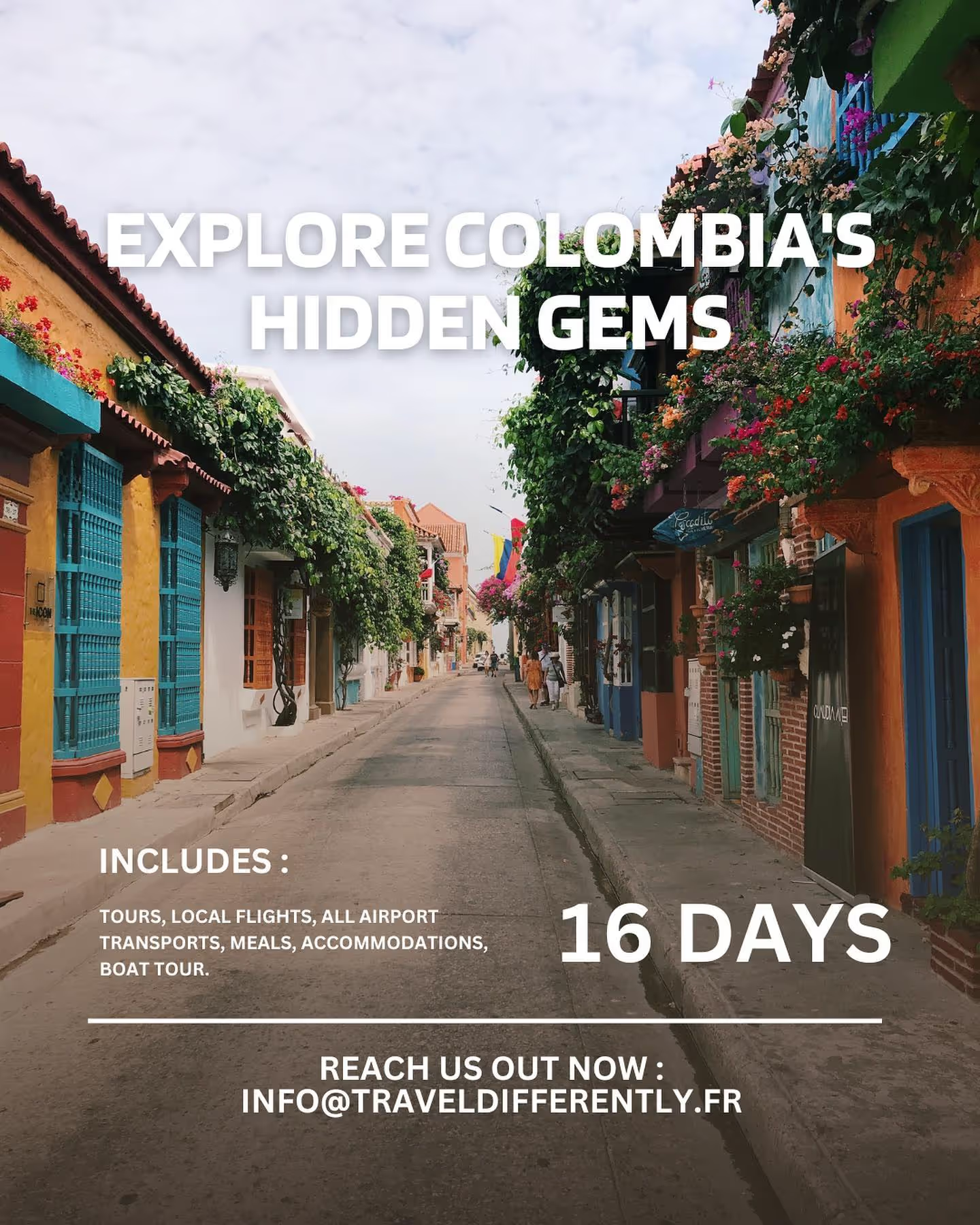
16-Day Lost City Trek and Colombia's Hidden Gems - Start in Bogotá, hike the famous Lost City Trek through lush jungles, visit the Rock of Guatapé, explore historic Cartagena, connect with indigenous communities, and relax in Palomino with yoga and surf sessions.
Limited Spots Available - Small groups ensure personalized attention.
Or create your custom itinerary with our AI Trip Planner (1 free plan per month)
Create My Free Colombia Itinerary
Frequently Asked Questions
| Question | Quick Answer |
|---|---|
| What to pack for a week? | 3-5 tops, 2-3 pants/shorts, light jacket, rain jacket, walking shoes, sunscreen, insect repellent, documents, pesos |
| Do I need a rain jacket? | Yes, essential especially in rainy season (Apr-May, Oct-Nov) or any time for afternoon showers |
| Can I wear shorts? | Yes on coast (Cartagena), maybe in Medellín, rarely in Bogotá. Observe locals when in doubt. |
| What shoes to pack? | Comfortable walking shoes (essential), sandals (beach), hiking boots (if planning outdoor activities) |
| Electrical adapter needed? | No for US devices (Type A/B, 110V same as US). Universal adapter if traveling elsewhere. |
1. What should I pack for a trip to Colombia?
When planning what to pack for Colombia, consider the region's climate and your planned activities. Essentials include comfortable walking shoes, a lightweight rain jacket, and clothing suitable for the specific climates you'll encounter, Bogota requires warmer layers, while the Caribbean coast calls for lighter, breathable clothing. Additionally, bring sunscreen, a hat, and insect repellent for protection in tropical areas.
2. Is it safe to travel to Colombia?
Yes, Colombia is generally safe for tourists, but staying vigilant is essential. Keep valuables secure, avoid isolated areas, and stick to well-traveled routes. Some regions may have higher risks; always check your government's travel advisories and take out travel insurance for added peace of mind.
3. Can I use credit cards in Colombia, or do I need cash?
Credit and debit cards are widely accepted in major cities and tourist areas. However, it's wise to carry some Colombian pesos, as cash is preferred in rural areas, smaller towns, and local markets. ATMs are common in cities, but be aware of potential fees. Notify your bank about your travel plans to avoid issues with card usage.
4. What's the best way to stay connected in Colombia?
Colombia has a robust telecommunications network, especially in urban areas. You can use international roaming, or for a more cost-effective solution, buy a local SIM card upon arrival. Free Wi-Fi is available in many hotels, cafes, and restaurants. Apps like WhatsApp and Google Maps are invaluable for navigation and communication.
5. Do I need a visa to visit Colombia?
Visa requirements vary based on nationality. Many travelers from North America and Europe can stay in Colombia visa-free for up to 90 days. Verify with the Colombian consulate or embassy in your country before traveling, and ensure your passport is valid for at least six months beyond your planned return date.
6. What should I wear to the Carnaval de Barranquilla?
For those attending the Carnaval de Barranquilla, vibrant and comfortable attire is recommended. This festive event is best enjoyed in lightweight, breathable clothing due to the warm weather in Barranquilla. Bright colors and comfortable shoes will help you blend into the joyful atmosphere!
7. Is tipping expected in Colombia?
Tipping is appreciated but not mandatory. In restaurants, a 10% service charge is often added to the bill; if not, you may leave a tip if you're satisfied with the service. For guides, drivers, and other services, tipping is common and appreciated.
8. What kind of electrical adapter do I need in Colombia?
Colombia uses type A and B outlets with a voltage of 110V, similar to the United States. If your devices have different plugs, bring a universal adapter. Consider a power bank if you're planning long excursions or will be without access to outlets for extended periods.
9. What is the weather like in Colombia?
Colombia's weather varies significantly by region: Bogotá is cool year-round (14-20°C), high altitude. Medellín is spring-like (22-28°C), "Eternal Spring". Cartagena is hot and humid (28-32°C), tropical. Coffee Region is mild (8-25°C), cooler mornings and evenings. Amazon is hot and humid (24-30°C), frequent rain.
Pro Tip: Pack for the specific regions you're visiting. Colombia's geography means you might need different clothing for different areas.
Related Article: Best Time to Visit Colombia - Plan your trip around optimal weather conditions.
{{component-create-my-trip="/"}}
| Key Aspects | Description | Tips | Related Links |
|---|---|---|---|
| Packing Essentials | Bring appropriate clothing for Colombia's various climates, including warm layers for the highlands and light attire for coastal areas. | Include comfortable shoes, a rain jacket, sun protection, and insect repellent. | What to Pack for Colombia |
| Lost City Trek | A journey to Colombia's ancient Lost City (La Ciudad Perdida), accessible through the Sierra Nevada mountains. A 4-5 day trek through lush jungle. | Prepare with proper hiking gear, waterproof boots, and opt for guided tours to maximize the experience and ensure safety. | Ultimate Guide for the Lost City Trek | Book Lost City Trek Program |
| Carnaval de Barranquilla | Colombia's largest carnival, held annually in Barranquilla, celebrates Colombian culture with vibrant parades and costumes. | Dress in lightweight, comfortable clothing, bright colors, and prepare for a warm, tropical climate. Book accommodations early. | Experience Carnaval de Barranquilla |
| Hidden Gems | Explore Colombia's lesser-known natural wonders, such as Caño Cristalitos, with its colorful, crystal-clear waters. Perfect for nature lovers seeking off-the-beaten-path experiences. | Book guided tours for an immersive experience of Colombia's pristine natural beauty. Best visited during June-November. | Hidden Gems: Caño Cristalitos |
| Eco-lodges in Colombia | Stay in eco-friendly accommodations like Casa Yahri, combining luxury and sustainability in the Colombian Andes. Support local communities while enjoying comfort. | Choose eco-lodges to support local communities and sustainable tourism practices. Book in advance, especially during peak season. | Casa Yahri Eco Retreat |
| Luxury Retreats | Experience exclusive stays like the private villa, Casa Zahmar, on Colombia's Caribbean coast. Perfect for a secluded, luxurious beach experience. | Book early to secure your stay in these limited-availability retreats for a secluded, luxurious experience. Ideal for couples or small groups. | Casa Zahmar Luxury Villa |
Ready to turn this list into dates? Plan this Colombia trip or ask for a custom quote.


.avif)








Log in ou Sign up to join the discussion.
Join the discussion
0 comments