
.avif)


.svg)
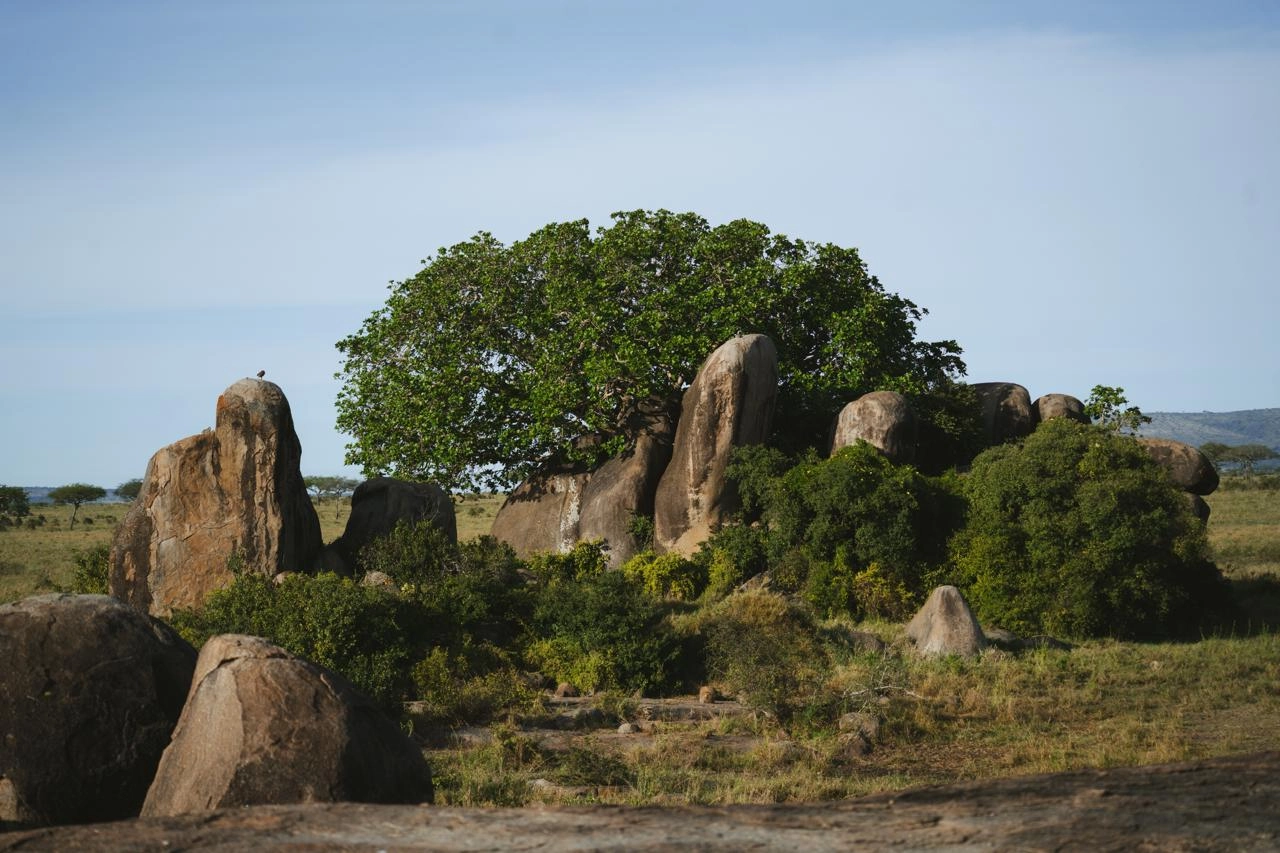
Landscape and wildlife around the Moru Kopjes
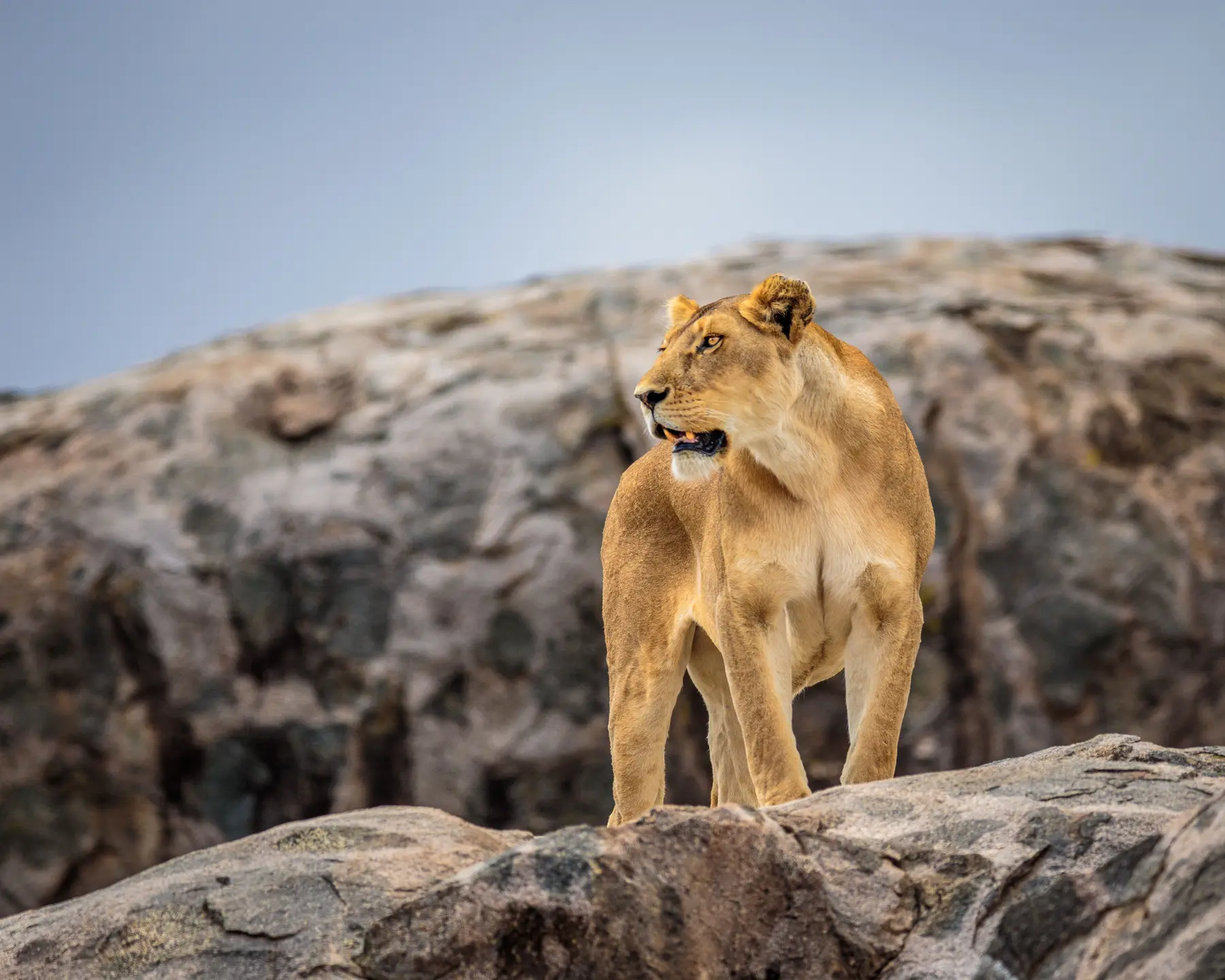
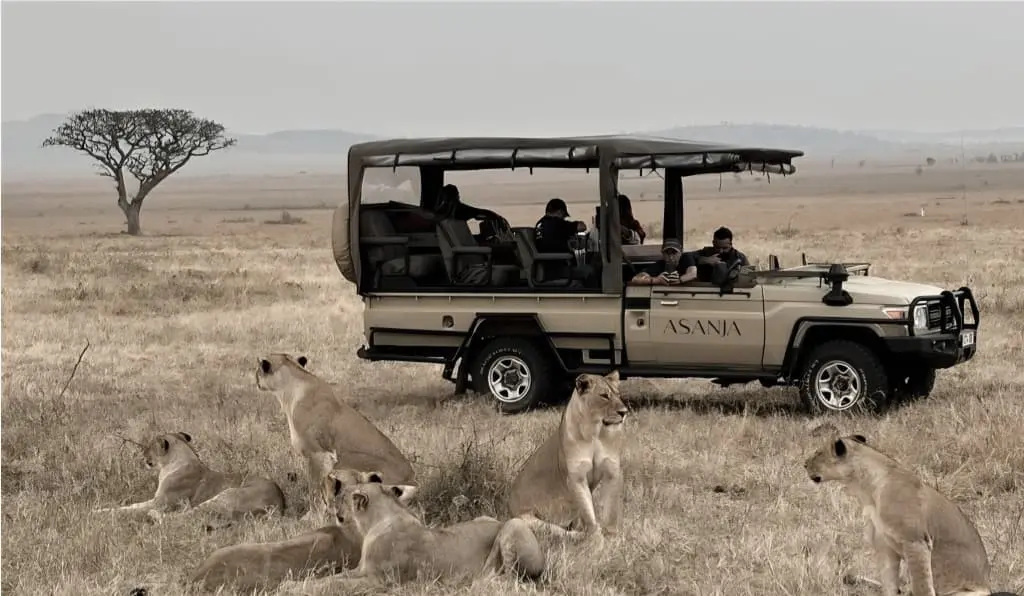
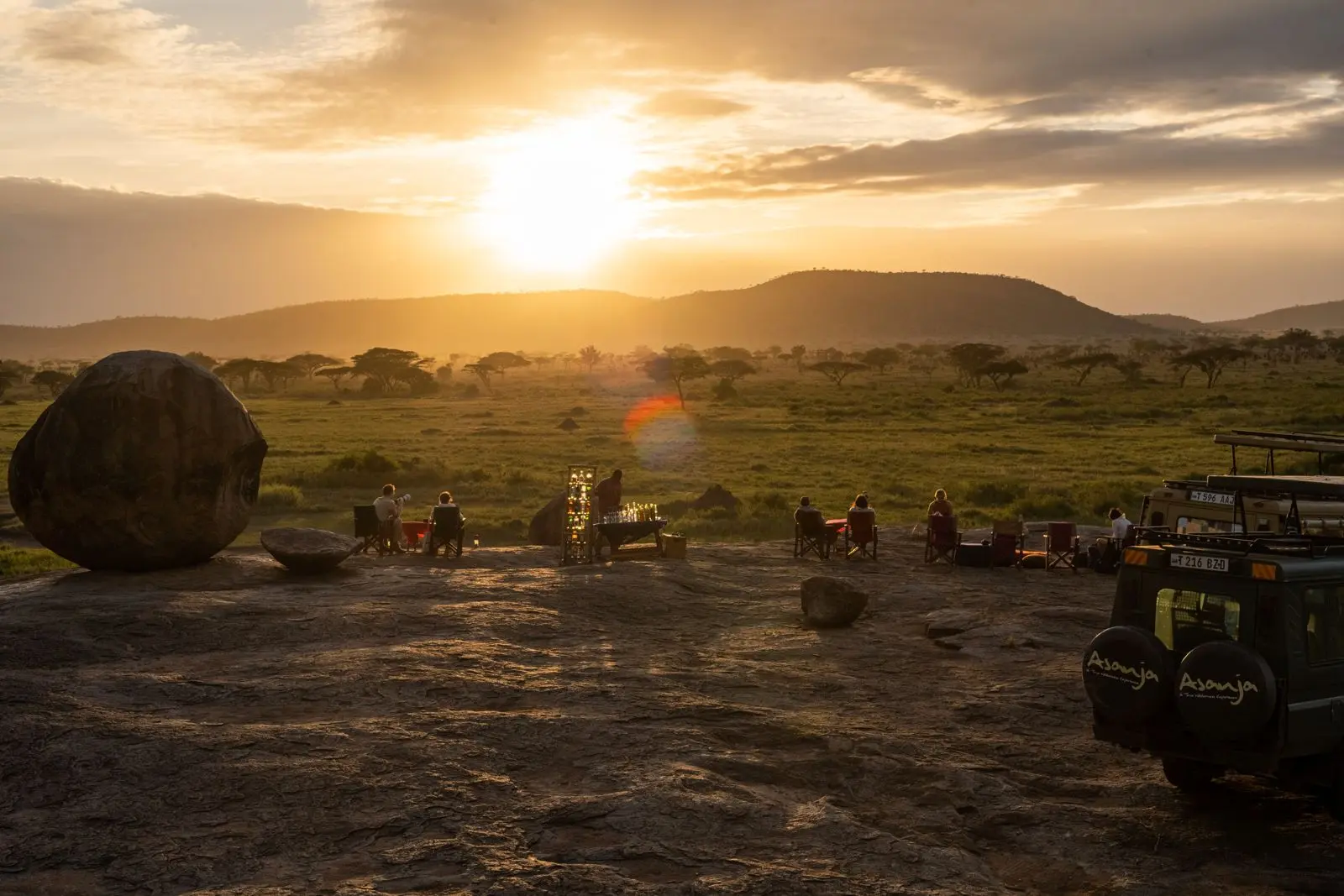
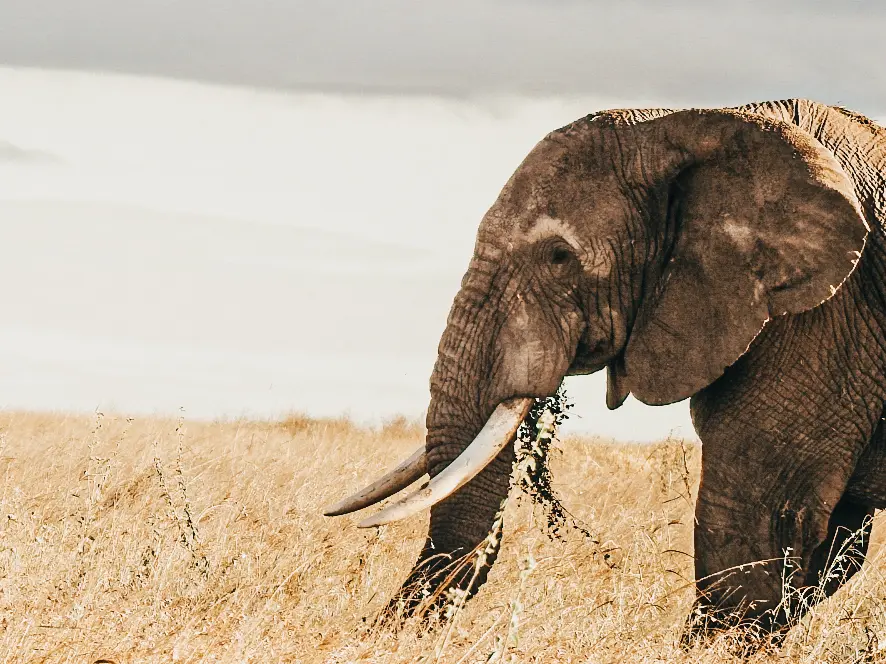
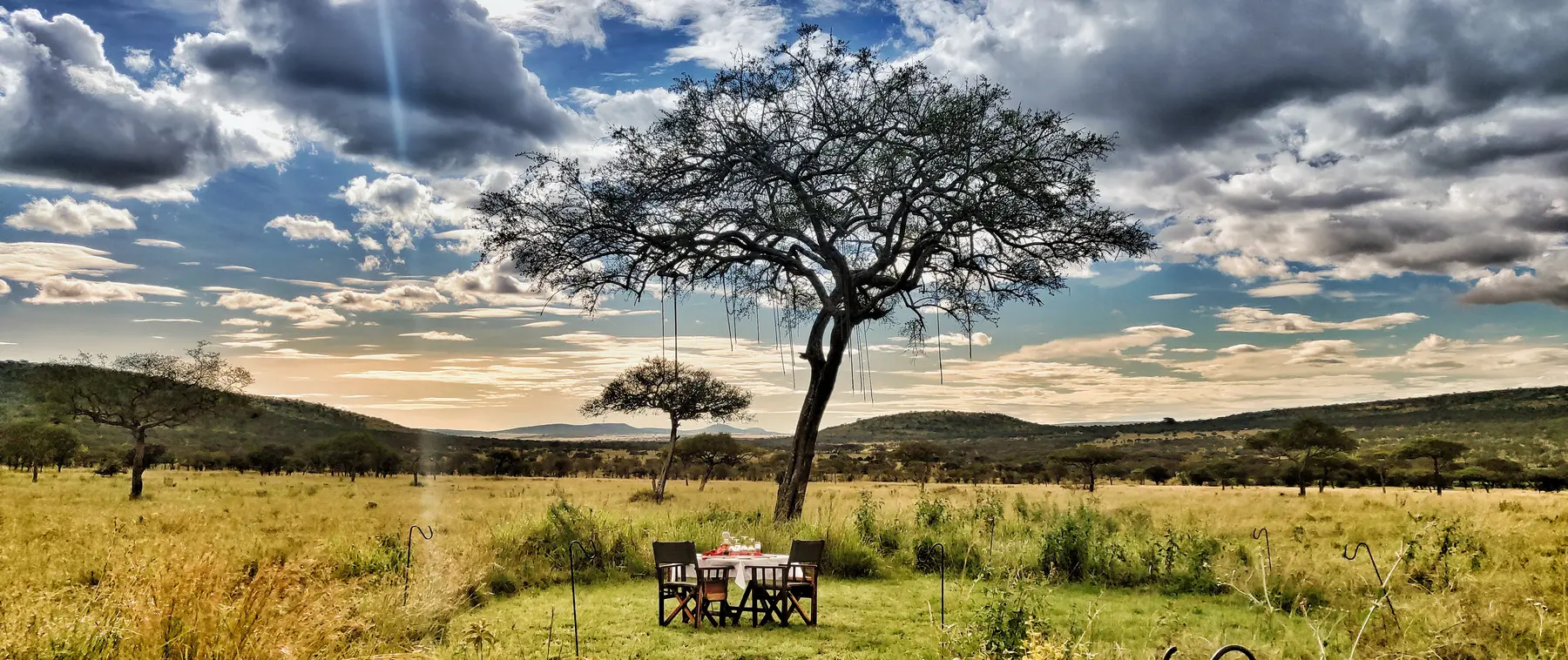
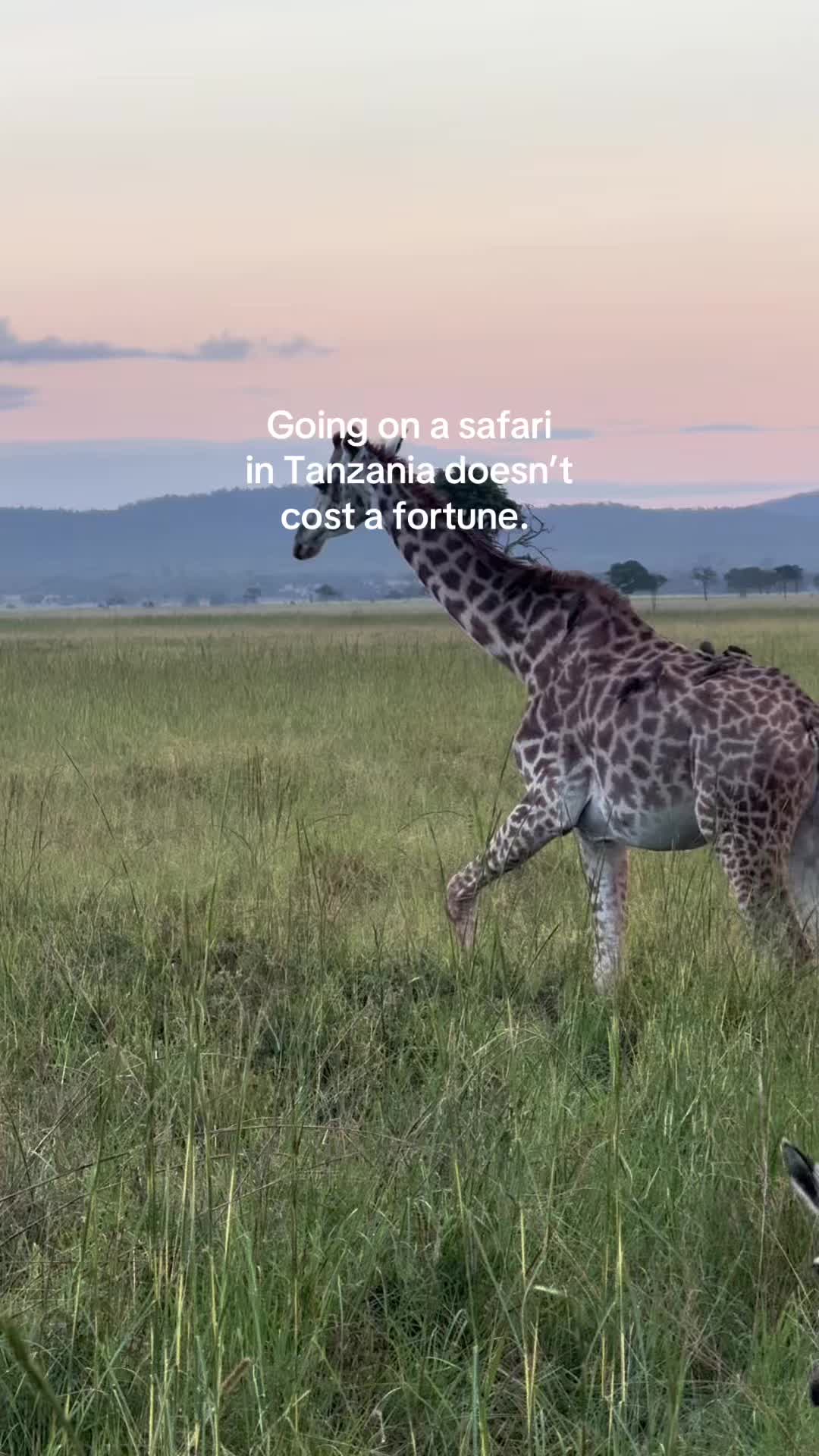
Central Serengeti is a mix of short grass, drainage lines, and those granite kopjes that act like apartments for reptiles, birds, and cats. Lions use the rocks as shade and vantage. Leopards treat the same geometry as a private staircase. Cheetahs prefer the flatter ground between outcrops, where a hunt has room. You will also see giraffe browsing the edges, zebra and wildebeest when corridors are active, and the usual supporting cast of jackal, hyena, and raptors that make a morning feel full even when the headline cat is late.
Season shapes the picture. Drier months often make cats easier to find because water and shade shrink the map. Greener months thicken the grass and can hide a lion ten metres from the track. Migration corridors are a bonus in the right window, not a button you press at check-in. The camp cannot invent a crossing that is happening two valleys away. What it can offer is a small footprint in a part of the park that still feels like rock and wind.
This is not Ruaha. There is no Great Ruaha sandbar to walk, no baobab theatre from the southern road. If you want that other Tanzania, open the Asanja Ruaha camp page and keep the two parks in separate mental drawers. Mixing the photographs in your head is how a stay starts to feel generic.
Camp life: tents, meals, night sounds
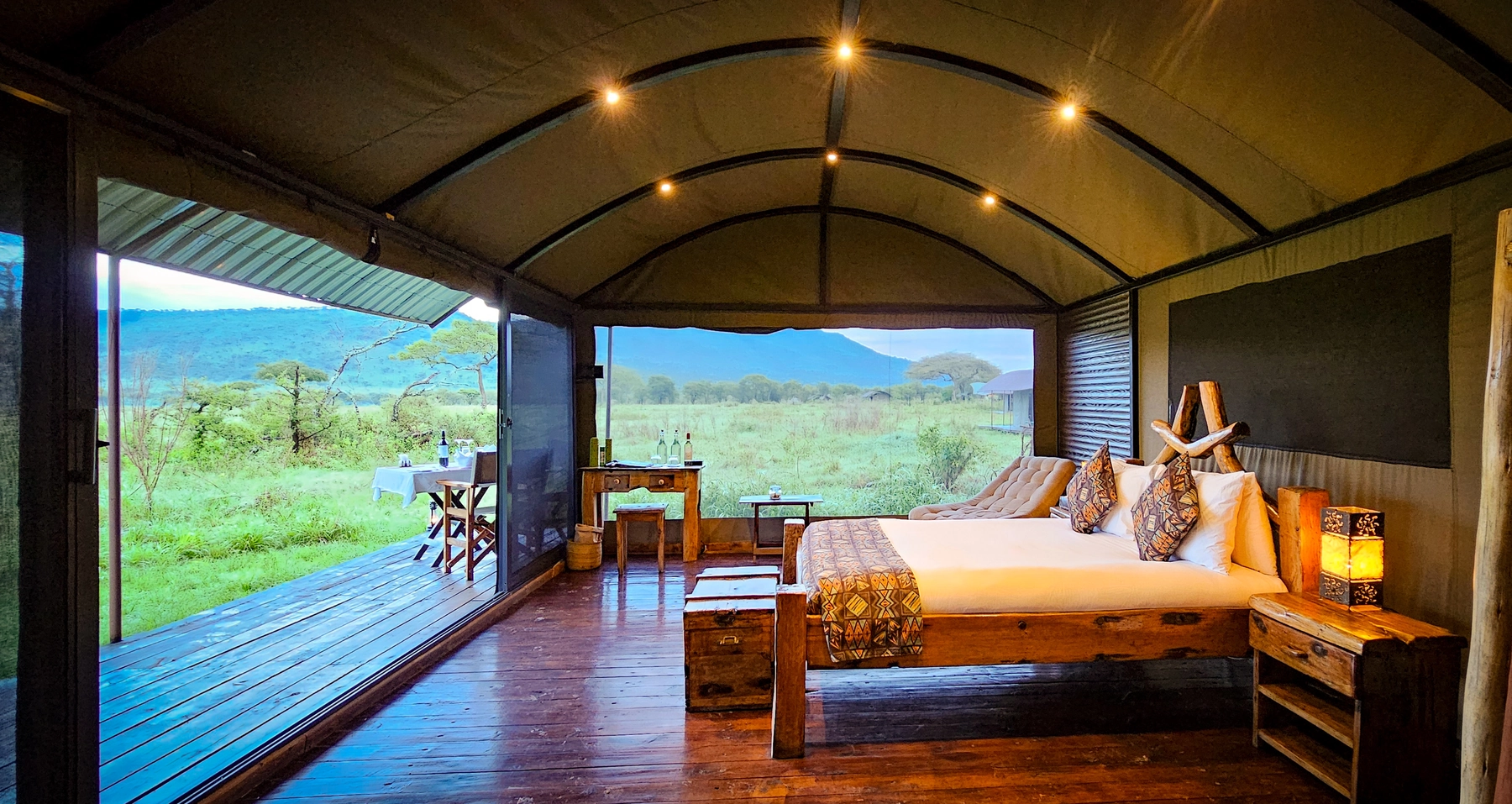
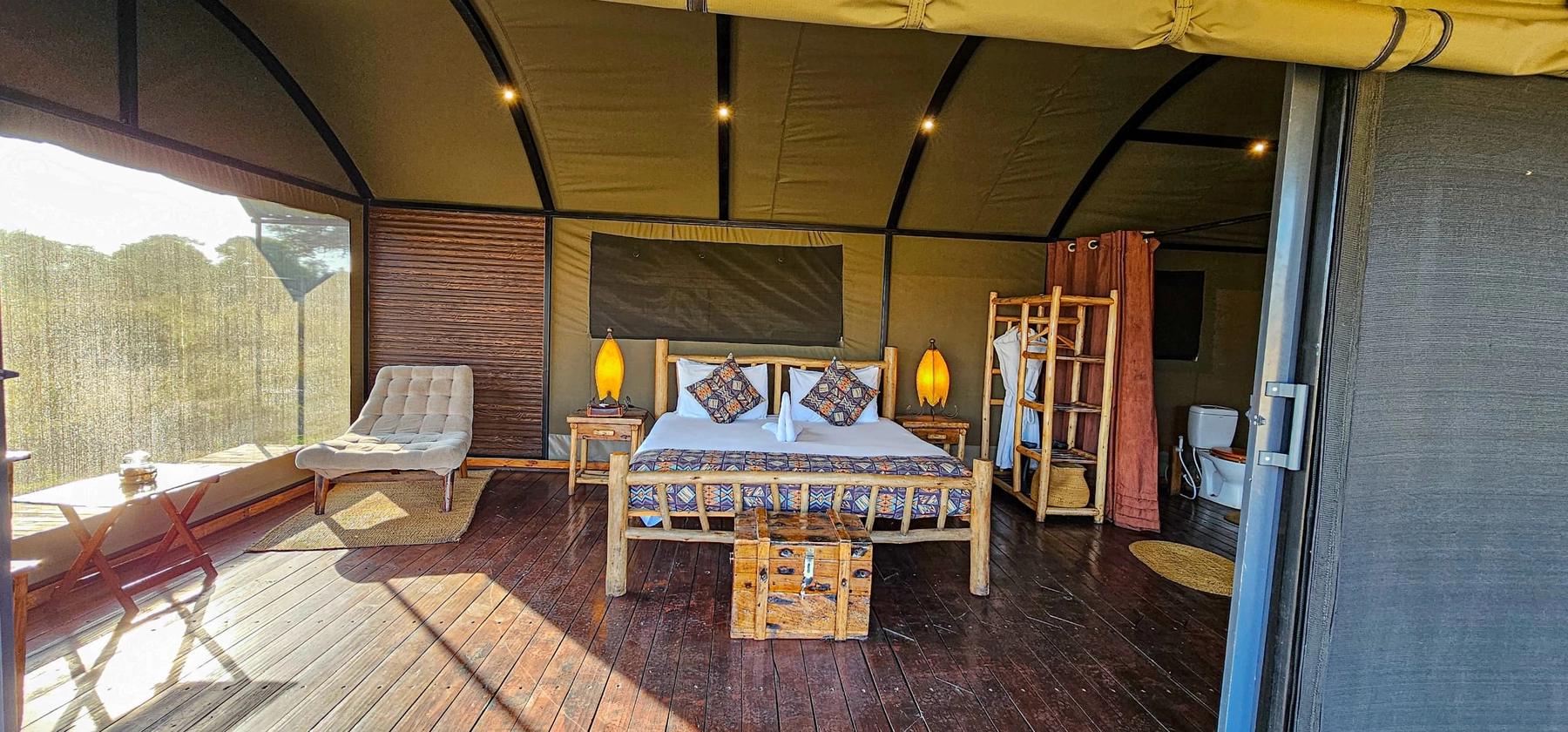
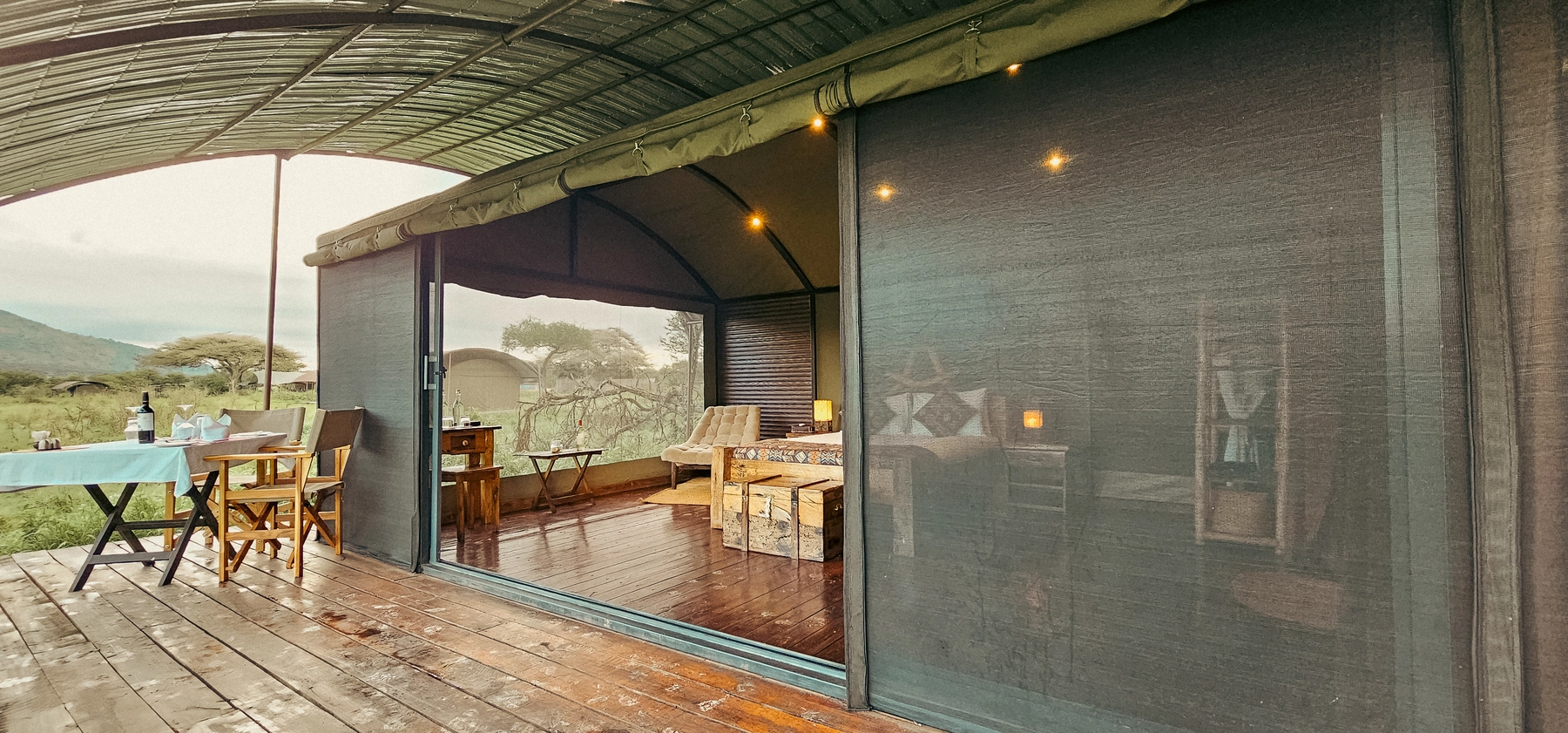
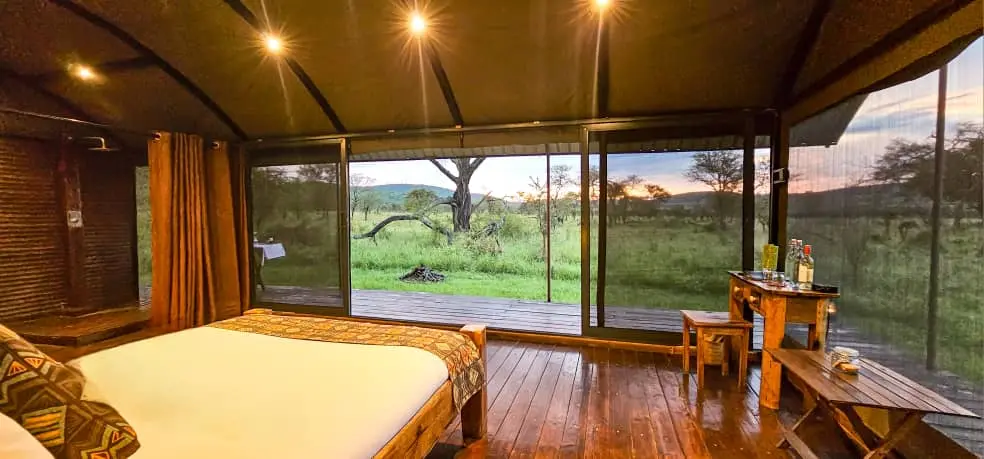
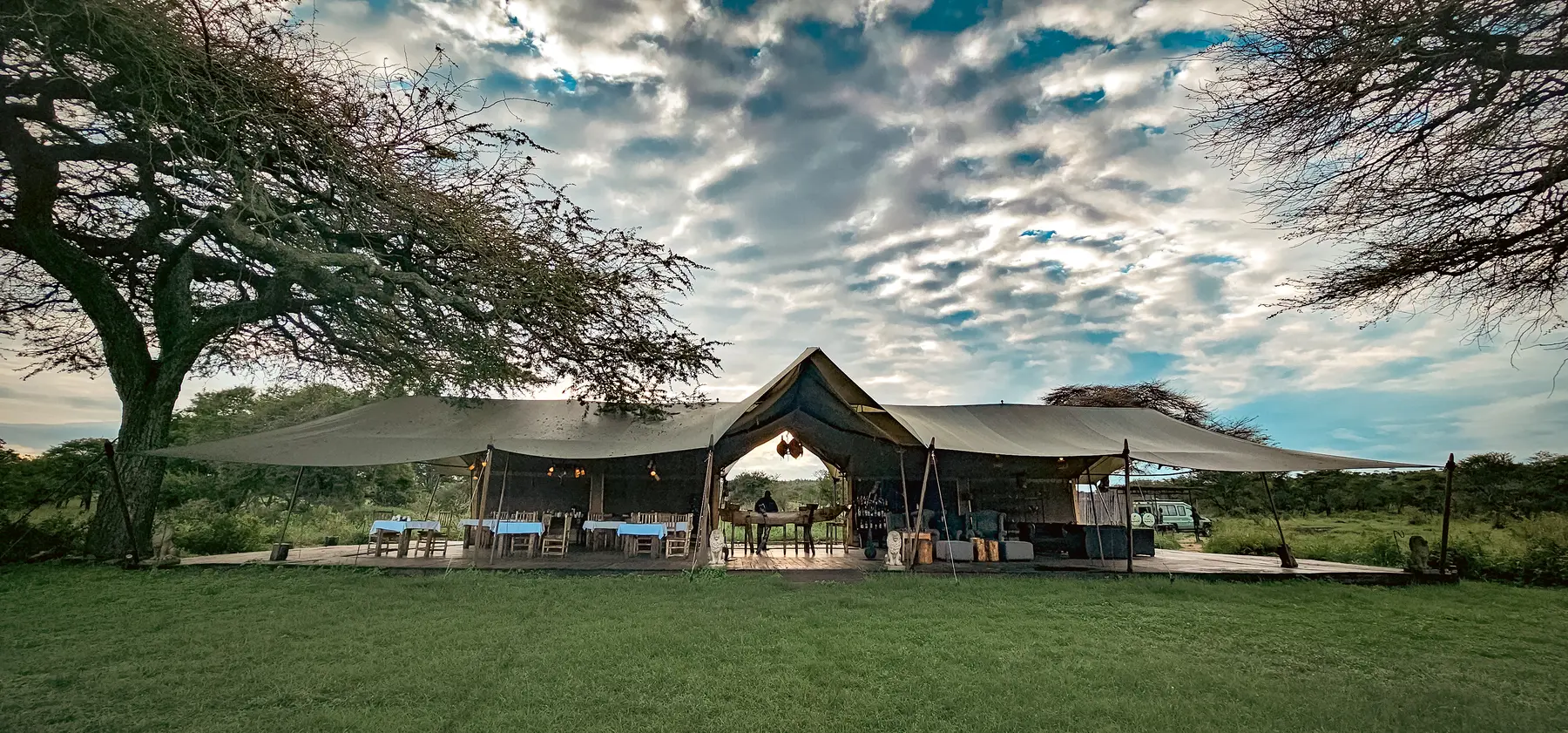
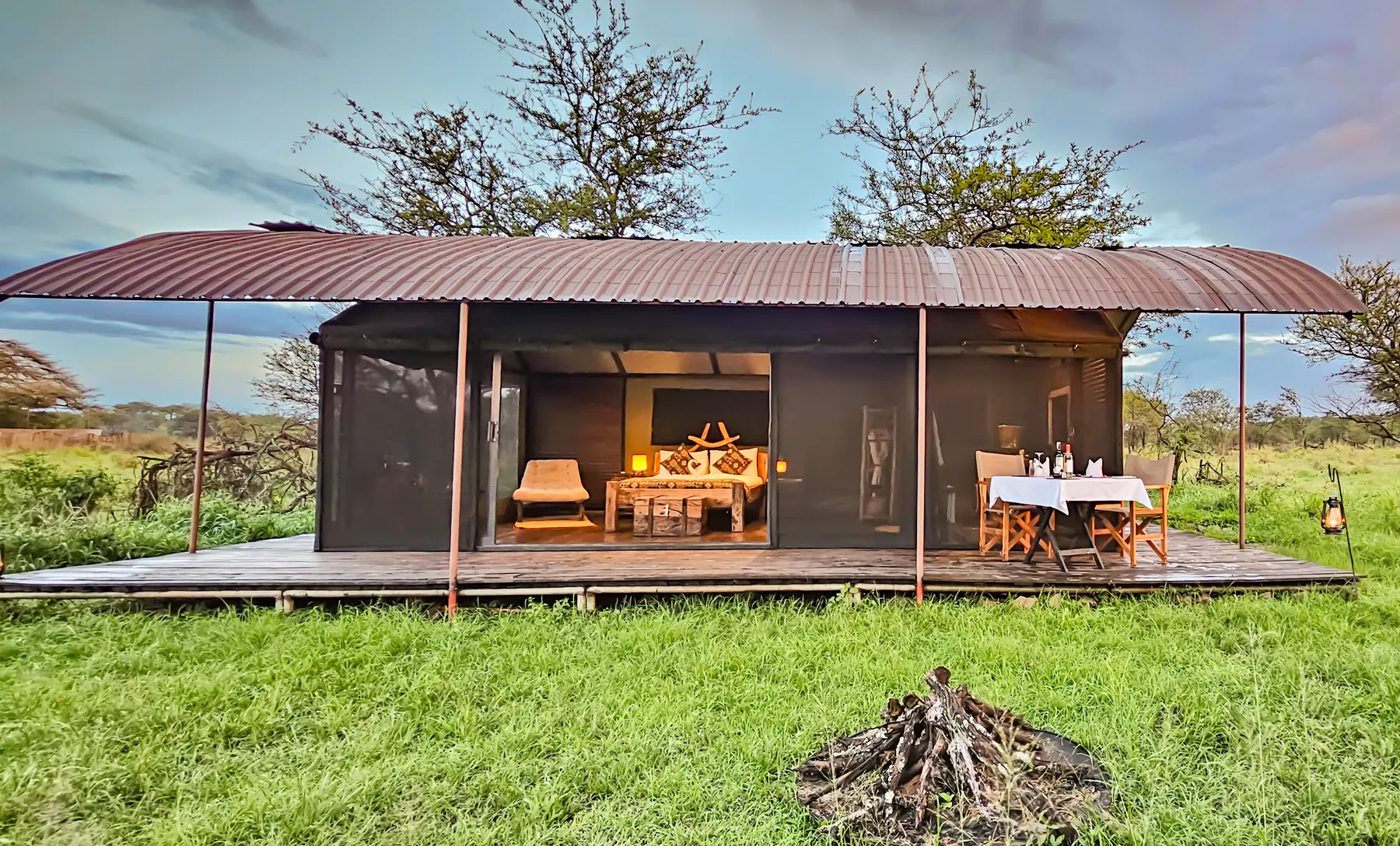
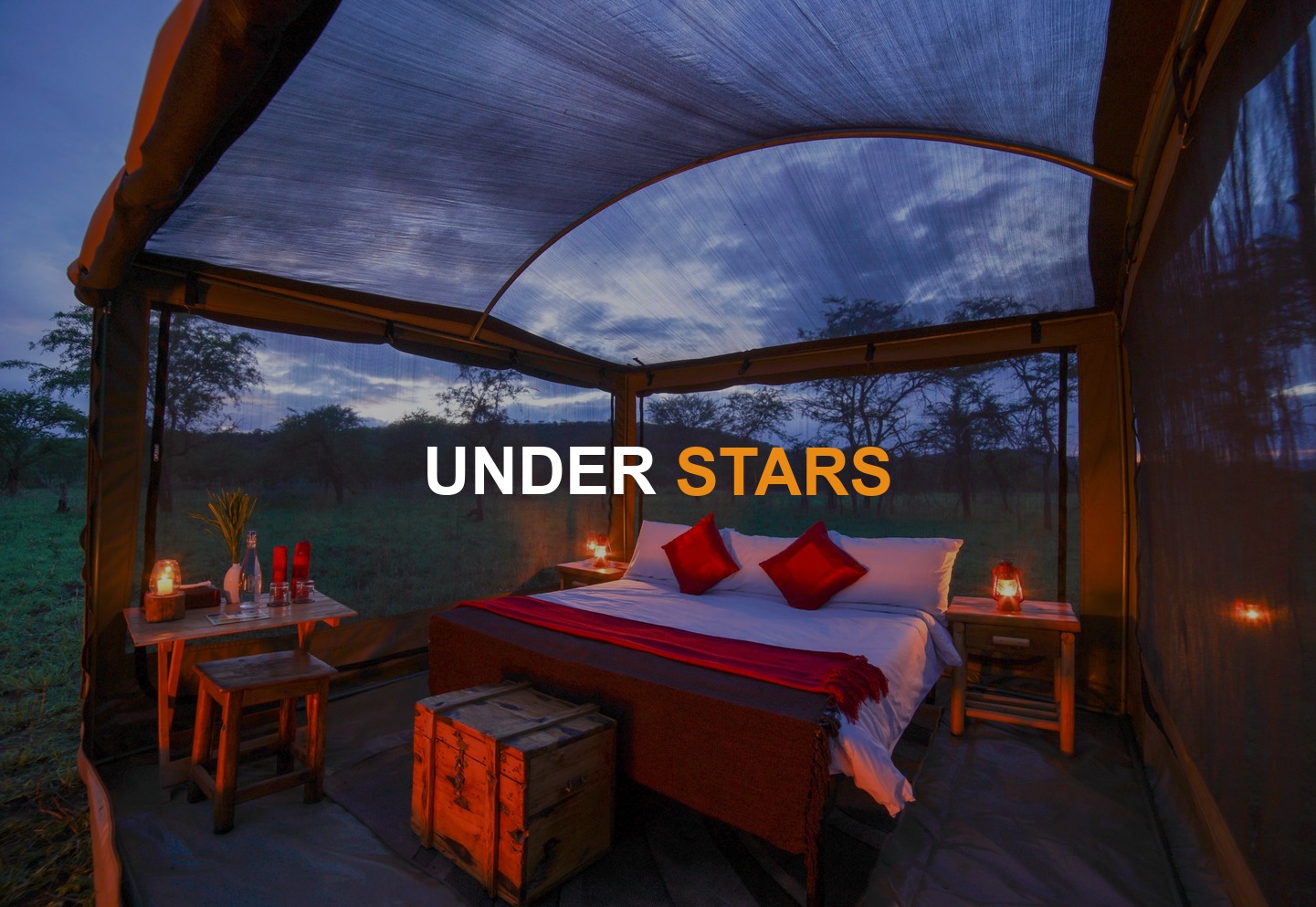
Canvas, a proper bed, an en-suite that works after dust: that is the Moru promise in one line. The tent count stays low, so you recognise faces at dinner by the second evening. The family villa is the outlier for parties that need a door between children and the night. Meals are camp cooking, not a buffet hall. You eat what the kitchen can do well in a remote kitchen: grilled things, salads that survived the supply run, a pudding that tastes better because the air is cold.
After dark the soundtrack takes over. A generator or solar hush, then the park. Hyenas whoop. Something heavy moves in the grass beyond the lanterns. A night watchman clicks a torch. You sleep earlier than you do in a city, then wake to coffee and the first birds on the granite. That loop, repeated, is the stay. It is not a theme park hour.
What is usually included, and what is not
A typical Moru file includes the tent or villa, camp meals, and game drives or walks the park and the guide agree to run. Transfers from Seronera sit on the quote when they are part of the package. International flights, park fees, premium drinks, spa extras if offered, tips, and travel insurance usually sit outside that line. None of those sentences is a price. For detailed rates, contact us. Nothing is due until the quote is signed.
Do not budget from a screenshot on a booking site. Camp rates in Tanzania move with season, room type, and how many vehicles you want private. The honest document is the signed quote, not this paragraph.
Questions travellers often ask
How much does a stay cost?
For detailed rates, contact us. Nothing is due until the quote is signed. Indicative 2026 bands sit in the rates block.
Which camp is the most luxurious?
Luxury here is the small camp and the setting, not a ranking against every Tanzania lodge. The signed quote is what we hold.
How do I reach Asanja Moru?
Most guests land at Seronera Airstrip and continue by game-drive vehicle, often around forty minutes when the camp confirms. Road arrivals are possible on some itineraries. The meeting point is written on the signed quote, not guessed from a map pin.
Is this a good camp for the Great Migration?
Moru sits near corridors that can carry herds in season. It is not a crossing grandstand you can reserve. If your only goal is a river crossing photograph, say so early so dates and area can be discussed honestly. Many excellent Moru stays are about cats and kopjes, with migration as a seasonal extra.
How many tents are there?
The camp is built as an intimate set: about seven private tents and a family villa. Exact unit names and which one you get are confirmed when the camp holds the space.
Can we add Zanzibar after Serengeti?
Yes, as a beach coda after a northern safari, not as a substitute park. Keep the island for stone streets, spice, and swimming. Read the costs and packing notes before you add a third bag.
Is Moru the same as the May 2025 southern road?
No. That road was Mikumi, Ruaha, then Zanzibar. Moru is central Serengeti. Different rocks, different river (there is not a Ruaha sandbar here), different crowd pattern. Enjoy both if you have time. Do not collapse them into one anecdote.
Are children welcome?
A family villa exists for a reason. Age minimums, adjoining tents, and whether a private vehicle is wise depend on the camp and the park rules for your dates. Ask before you promise a child a lion on a rock.
When should we travel?
Drier months are popular for cats and easier tracks. Greener months have their own beauty and fewer vehicles in some weeks. Migration timing is a conversation, not a slogan. The card on this page stays short; the long season talk belongs on the quote.
Rates and how to go further
For detailed rates, contact us. Nothing is due until the quote is signed. Contact Travel Differently for a signed quote, or use the trip form.
For the country frame, start with the Tanzania destination guide. For a southern contrast after you have sat with these kopjes, keep Asanja Ruaha and the Mwagusi and Vuma Hills notes in a later tab.
Asanja Siri Bustani on the Grumeti · Asanja Nyasirori on the western corridor · Tanzania destination guide · Mwagusi Safari Camp in Ruaha · Vuma Hills near Mikumi · Tanzania and Zanzibar travel costs and what to bring · Full immersive catalogue






-min.avif)


.svg)
_result.webp)

.webp)