


🌎 Four Worlds, One Country: Your Complete Ecuador Packing Guide
Four worlds, one country: Ecuador's Andes, Amazon, Galápagos, and Pacific Coast each demand a different approach to packing. Whether you're hiking volcanoes at 4,800 meters, swimming with sea lions in the Galápagos, exploring the Amazon rainforest, or relaxing on tropical beaches, this comprehensive Ecuador packing list will make sure you're ready for every adventure—sustainably.
Next step after packing: explore our Ecuador destination hub.
This guide covers everything you need to know about what to pack for Ecuador, from climate-specific clothing to essential travel documents, with a focus on responsible travel practices that protect Ecuador's incredible biodiversity.
Packing for Ecuador is one of the trickiest travel challenges you'll face. Why? This small South American country packs four distinct ecosystems into its borders: the cool, high-altitude Andes, the humid Amazon rainforest, the tropical Galápagos Islands, and the warm Pacific coast. Each region demands different clothing, gear, and essentials—and you'll likely visit multiple zones in a single trip.
Whether you're planning a 10-day adventure through Quito, the Amazon, and the Galápagos, or a focused journey through the Andes, this comprehensive Ecuador packing guide 2026 will help you prepare for every climate and situation. This Ecuador vacation packing list covers everything from what to pack for Ecuador to Ecuador trip preparation essentials. We've also included Ecuador sustainable travel tips that align with Ecuador's commitment to environmental protection, especially in the Galápagos.
Here's your complete Ecuador travel checklist and packing list for Ecuador and Galápagos in 2026.
Ecuador Packing List by Region
Here's a quick breakdown of what to pack for each region of Ecuador, optimized for every climate from the Andes to the Galápagos, covering altitude variations, humidity levels, and seasonal changes.
Detailed Packing by Region
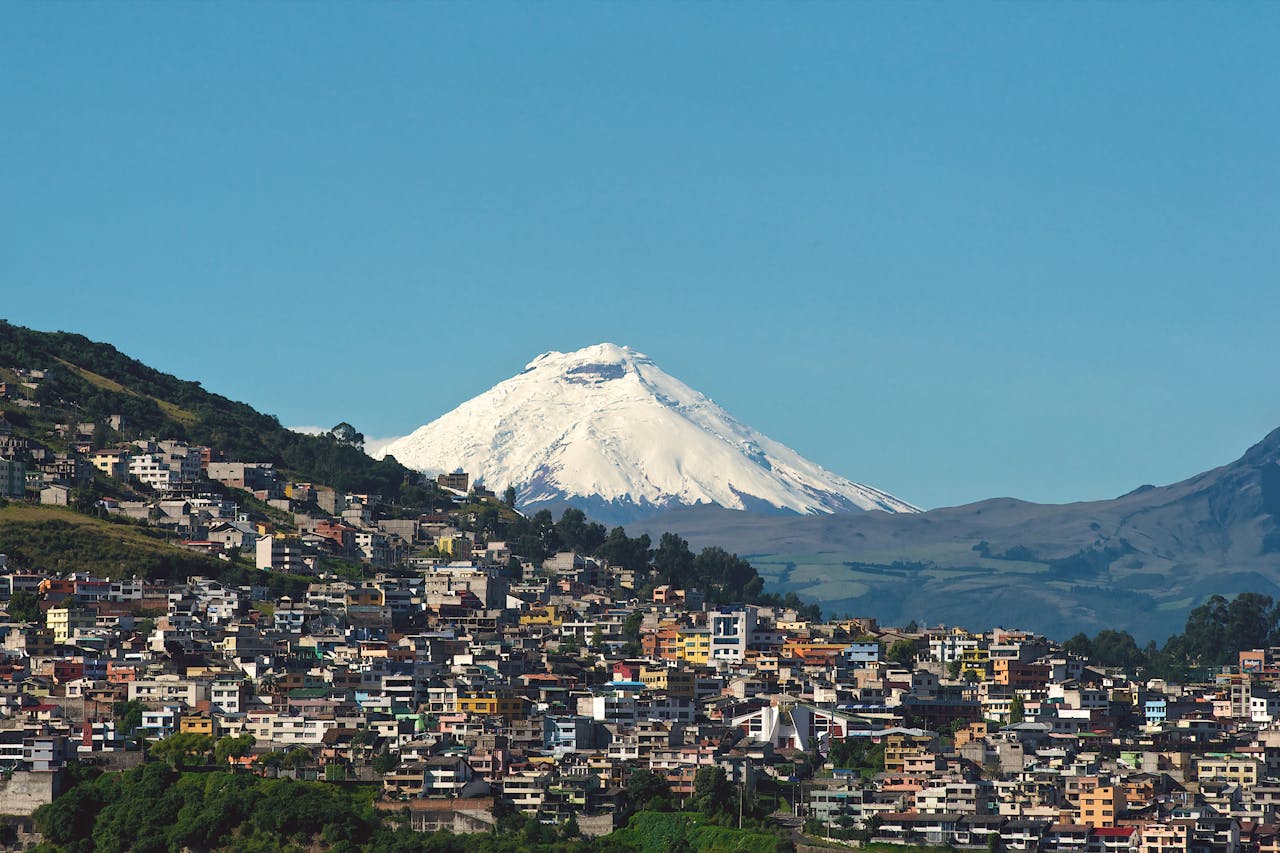
Quito & Andes (High Altitude)
Clothing:
- Thermal base layer (merino wool recommended)
- Long-sleeve shirts (2-3)
- Fleece or wool sweater
- Warm jacket (down or synthetic)
- Waterproof/windproof shell
- Jeans or hiking pants (2 pairs)
- Wool socks (3-4 pairs)
- Hiking boots or sturdy walking shoes
- Beanie and gloves (for early mornings/nights)
Essentials:
- Sunscreen (high altitude = stronger UV)
- Lip balm with SPF
- Sunglasses with UV protection
- Daypack for day trips
- Reusable water bottle
- Altitude sickness medication (consult doctor)
Why layers matter: Quito sits at 2,850 meters (9,350 feet). Mornings are chilly (10-15°C), afternoons warm (18-22°C), and evenings cool again (typically 5-10°C in the city). At very high altitudes (above 4,000m near volcanoes), temperatures can drop near freezing at night, but in cities like Quito and Cuenca, nights rarely go below 5°C. Layering lets you adapt throughout the day.
Local insight: Locals in Quito often carry umbrellas even in the dry season—sudden afternoon showers are common, especially from December to May. Keep a lightweight rain jacket or compact umbrella in your daypack.
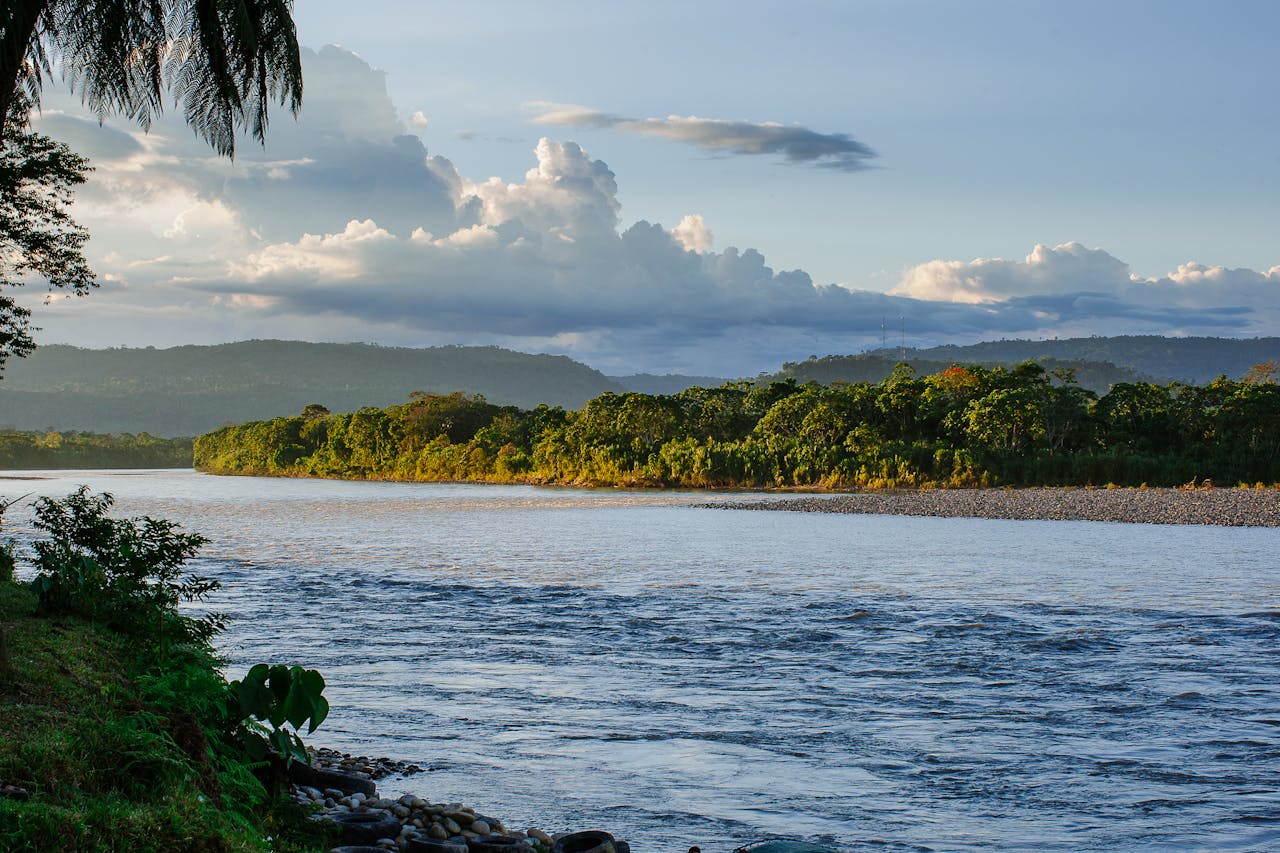
Amazon Rainforest
Clothing:
- Long-sleeve quick-dry shirts (3-4) — protects from sun and mosquitoes
- Quick-dry pants (2-3 pairs) — avoid cotton (stays wet)
- Lightweight rain jacket or poncho
- Waterproof boots (knee-high recommended)
- Wide-brim hat
- Lightweight socks (quick-dry)
Essentials:
- Mosquito repellent (DEET 30%+ or picaridin)
- Dry bag (for electronics, documents)
- Headlamp with extra batteries
- Waterproof phone case
- First aid kit (antiseptic, bandages, anti-diarrheal)
- Water purification tablets or filter
- Binoculars (for wildlife spotting)
Pro tip: Light colors attract fewer mosquitoes than dark colors. Avoid perfumes and scented products. Important: Avoid heavy cotton clothing in the Amazon—it stays wet for hours and can lead to fungal infections. Choose quick-dry synthetic fabrics or merino wool instead.
Local insight: In the Amazon, guides typically wear rubber boots and long sleeves year-round, regardless of temperature. This isn't just for mosquito protection—it also guards against sharp vegetation, river crossings, and mud. Follow their lead for the safest experience. The Amazon is humid year-round with no true "dry season"—only variations in rainfall intensity.
Ecuador Amazon Packing List (Budget Travelers)
If you're backpacking through Ecuador or traveling on a budget, here's a streamlined Ecuador backpacking list for the Amazon:
Minimal essentials:
- 2-3 quick-dry long-sleeve shirts
- 1-2 pairs quick-dry pants
- 1 lightweight rain jacket
- Waterproof boots (can rent at some lodges)
- Small dry bag
- Headlamp
- Basic first aid kit
Budget tip: Many Amazon lodges provide rubber boots and rain ponchos. Check with your accommodation before packing heavy items. Focus on quick-dry clothing and essentials—you can wash clothes at lodges.
Galápagos Islands

Clothing:
- UV-protection long-sleeve shirts (2-3)
- Quick-dry shorts or pants
- Swimwear (2 sets)
- Lightweight layers for boat rides (windy)
- Water shoes or reef-safe sandals
- Wide-brim hat with chin strap
Essentials:
- Reef-safe sunscreen (SPF 50+, zinc oxide recommended)
- Snorkel mask and fins (optional — can rent)
- Underwater camera or GoPro
- Reusable water bottle (single-use plastics banned)
- Dry bag for boat trips
- Motion sickness medication (if prone)
Environmental note: The Galápagos has strict environmental rules. Single-use plastics are banned. Bring reusable alternatives. Reef-safe sunscreen is mandatory—regular sunscreen damages coral reefs. Choose mineral-based sunscreens (zinc oxide, titanium dioxide) without oxybenzone or octinoxate.
Local insight: On Galápagos boats, mornings start cool and windy—even in the warm season. Keep your light jacket or fleece handy for early excursions. By midday, you'll be in swimwear, but that morning layer is essential for comfort during boat transfers and landings. Note: While many think Galápagos has no insects, mosquitoes and other bugs can be present on certain islands, especially in humid areas—bring lightweight long sleeves and repellent as a precaution.
Pacific Coast (Manta, Montañita, etc.)

Clothing:
- Swimwear (2-3 sets)
- Light cotton or linen clothing
- Sandals or flip-flops
- Lightweight cover-up
- Sun hat
Essentials:
- Sunscreen (waterproof)
- Beach towel
- Reusable water bottle
- Cash (USD) for beach vendors
Local insight: The Pacific coast is casual and laid-back. Beachwear is acceptable everywhere, but bring a light cover-up for restaurants and shops. Evenings can be breezy, so a light sweater or long-sleeve shirt is useful.
What to Wear in Ecuador
Understanding local dress codes and climate-specific clothing will help you pack smarter and respect local culture.
What to Wear in Quito (Andes)
Local style: Ecuadorians in Quito dress modestly and smart-casual. You'll see locals in jeans, button-down shirts, and light jackets. Avoid flip-flops, beachwear, or overly casual clothing in the city center.
Practical tips:
- Layering is essential: Start with a thermal base, add a long-sleeve shirt, then a fleece or sweater, and top with a waterproof shell.
- Footwear: Comfortable walking shoes or hiking boots. Quito's cobblestone streets and hills require sturdy soles.
- Accessories: A beanie for early mornings, sunglasses (UV protection is crucial at altitude), and a daypack.
Is it okay to wear shorts in Ecuador? In Quito, shorts are acceptable during the day, especially for tourists, but locals rarely wear them in the city. For visits to churches or formal settings, opt for long pants.
What to Wear in the Amazon
Practical over style: In the Amazon, function trumps fashion. You'll need clothing that protects you from insects, sun, and humidity.
Must-haves:
- Long sleeves and pants: Even in heat, long clothing protects from mosquitoes and sunburn.
- Quick-dry fabrics: Cotton stays wet and uncomfortable. Choose synthetic or merino wool.
- Neutral colors: Light colors (beige, khaki, light gray) attract fewer insects than bright colors.
- Waterproof boots: Essential for muddy trails and river crossings.
What to avoid: Perfumes, scented lotions, and dark colors (attract mosquitoes).
What to Wear in the Galápagos
Sun protection first: The Galápagos sun is intense, and you'll spend hours on boats and in the water.
Recommended:
- UV-protection clothing: Long-sleeve rash guards or UPF 50+ shirts
- Quick-dry shorts or pants: For land excursions
- Swimwear: You'll snorkel multiple times per day
- Light layers: Boat rides can be windy and cool
- Water shoes: Protect feet on rocky shores
Local etiquette: The Galápagos is casual. Comfortable, practical clothing is the norm. No need for formal wear.
What to Wear in Ecuador: Seasonal Considerations
Dry season (June-September):
- Andes: Cooler mornings, warmer afternoons. Layers essential. Clear skies ideal for hiking.
- Amazon: Still hot and humid year-round, but slightly less rainfall. Quick-dry clothing still essential.
- Galápagos: Cooler water temperatures (Humboldt current), windier, more overcast days. Light layers needed.
- Coast: Less rain, but still warm and humid.
Wet season (December-May):
- Andes: More rain, especially afternoon showers from December to May. Waterproof shell crucial.
- Amazon: Heavier rainfall, but always humid. Extra dry bags and waterproof gear essential.
- Galápagos: Warmer water, less wind, occasional rain. Two distinct seasons: warm/humid (Dec-May) and cool/dry (Jun-Nov).
- Coast: Heavy rains from December to May. Lightweight rain gear needed.
Can I wear leggings in Ecuador? Yes, leggings are perfectly acceptable, especially for hiking or travel days. In cities, pair them with a longer top or tunic for a more polished look.
Ecuador Trip Essentials & Travel Checklist
.png)
Beyond clothing, here are the essential Ecuador trip essentials you'll need for a smooth Ecuador trip. This Ecuador travel checklist covers everything from documents to health items, ensuring you're fully prepared for your adventure.
Documents & Paperwork
- Valid passport (6+ months validity)
- Visa (if required — check your nationality)
- Travel insurance (mandatory for Galápagos, highly recommended elsewhere)
- Vaccination certificate (yellow fever mandatory since May 2025 for Amazon travel or if arriving from risk countries)
- FRA (Formulario de Registro Aduanero) — Mandatory since July 2025 for all travelers entering or leaving Ecuador (air, land, or sea). Complete online before travel and bring QR code.
- Flight confirmations (printed or digital)
- Hotel/ecolodge reservations
- Emergency contacts (written down, separate from phone)
Ecuador travel requirements 2026: As of 2026, most travelers from the US, Canada, UK, and EU don't need a visa for stays up to 90 days (strictly enforced 90/180 day rule). However, entry requirements can change, so always check the latest Ecuador travel requirements with your embassy or the Ecuadorian consulate before your trip. For the Galápagos, you'll need to pay a $100 USD transit control card fee (cash only) upon arrival.
Money & Banking
- USD cash (Ecuador uses US dollars). Critical: Bring small bills ($1, $5, $10) for tips and markets. Large bills ($50, $100) are often refused, suspected of being counterfeit, or difficult to change. Many small stores and local restaurants cannot provide change for large bills.
- Credit/debit cards (Visa and Mastercard widely accepted in cities)
- Travel wallet (RFID-blocking recommended)
- Notify your bank before traveling internationally to avoid card blocks
Electronics
- Universal power adapter (Type A/B plugs, 120V standard, but voltage can fluctuate in rural areas)
- Portable charger/power bank (reliable brand—power can be unreliable in remote areas)
- Local SIM card (Claro or Movistar — available at airports)
- Camera (with extra memory cards)
- Phone with offline maps (download Google Maps for Ecuador before arrival)
Health & Safety
- Prescription medications (bring extra supply)
- Altitude sickness medication (consult doctor before trip). Natural remedies like coca leaves (if tolerated) and gradual acclimatization also help.
- First aid kit (antiseptic, bandages, pain relievers, anti-diarrheal, blister treatment, anti-inflammatories)
- Water purification tablets or filter (for Amazon/remote areas)
- Insect repellent (DEET 30%+ for Amazon, also useful in some Galápagos areas)
- Sunscreen (SPF 50+, reef-safe mineral-based for Galápagos—mandatory, not optional)
- Malaria medication (recommended for specific Amazon provinces—consult doctor based on your itinerary)
Travel Gear
- Daypack (20-30L for day trips)
- Dry bag (essential for Amazon and Galápagos boat trips)
- Reusable water bottle (single-use plastics banned in Galápagos)
- Headlamp (for Amazon lodges, early morning excursions)
- Travel locks (for luggage)
Luggage Weight & Carry-On Tips
Important: Most Ecuador itineraries include domestic flights (Quito → Coca for Amazon, Quito → Baltra for Galápagos). Keep your luggage under 15kg (33 lbs) for internal flights to avoid excess baggage fees.
Carry-on essentials:
- Travel documents (passport, visa, insurance)
- Medications (prescription and altitude sickness)
- Electronics (camera, phone, charger)
- Change of clothes (in case checked luggage is delayed)
- Reusable water bottle (empty, fill after security)
Pro tip: Pack essentials in your carry-on. Domestic flights in Ecuador can have weight restrictions, and delays are possible. Having your most important items with you ensures a smoother trip.
🧳 Download Your Ecuador Packing Checklist (PDF)
Planning a multi-region trip? Our printable Ecuador travel checklist is organized by region and season, making it easy to pack for every climate—from the Andes to the Galápagos.
What's included:
- ✅ Complete packing list by region (Andes, Amazon, Galápagos, Coast)
- ✅ Seasonal variations (dry vs. wet season)
- ✅ Travel essentials checklist (documents, health, electronics)
- ✅ Sustainable packing tips
- ✅ Printable and editable format
Perfect for last-minute checks before your trip!
PDF premium - 7 pages, prêt à imprimer
What NOT to Bring to Ecuador (Items You'll Regret Packing)
Packing mistakes can cost you time, money, or even get you in trouble. Here's what to leave at home.
❌ Single-Use Plastics
Why not: Single-use plastics (bottles, bags, straws) are banned in the Galápagos Islands. You'll be fined if caught with them. Even outside the Galápagos, Ecuador is moving toward plastic reduction.
What to bring instead:
- Reusable water bottle
- Reusable shopping bags
- Reusable food containers (if needed)
❌ Camouflage Clothing
Why not: Camouflage or military-style clothing is illegal in Ecuador (and many South American countries). It's associated with military/paramilitary groups and can cause serious legal issues.
What to bring instead:
- Neutral colors (beige, khaki, gray, navy)
- Solid colors or subtle patterns
❌ High Heels or Fancy Shoes
Why not: Ecuador's terrain (cobblestone streets, uneven paths, muddy trails) makes high heels impractical and unsafe. You'll rarely need formal footwear.
What to bring instead:
- Comfortable walking shoes
- Hiking boots (for Andes/Amazon)
- Waterproof sandals (for coast/Galápagos)
❌ Unnecessary Valuables
Why not: Flashy jewelry, expensive watches, or large amounts of cash attract unwanted attention. Petty theft exists in tourist areas.
What to bring instead:
- Minimal jewelry (leave expensive pieces at home)
- Travel wallet (keep cash and cards secure)
- Copies of important documents (stored separately)
❌ Uninsured Drones
Why not: Drones are strictly controlled in Ecuador, especially in the Galápagos (where they're largely prohibited). You need permits, insurance, and must follow strict regulations.
What to do: If you must bring a drone, research permits well in advance and ensure you have proper insurance. For most travelers, it's not worth the hassle.
❌ Excessive Electronics
Why not: You don't need multiple devices, large laptops, or heavy camera equipment for most trips. It adds weight and risk.
What to bring instead:
- One smartphone (with good camera)
- One lightweight camera (if photography-focused)
- Portable charger
- Minimal cables
❌ Cotton Clothing (for Amazon/Rainy Season)
Why not: Cotton stays wet, takes forever to dry, and becomes uncomfortable in humid conditions. It's also heavy when wet.
What to bring instead:
- Quick-dry synthetic fabrics
- Merino wool (lightweight, odor-resistant)
- Technical outdoor clothing
Responsible Packing for Sustainable Travel in Ecuador
.png)
At Travel Differently, we believe that how you pack impacts the places you visit. Ecuador, especially the Galápagos, is a global biodiversity hotspot that requires our protection. Here's how to pack responsibly.
🌱 Eco-Friendly Essentials
Reef-safe sunscreen:
- Choose mineral-based sunscreens (zinc oxide, titanium dioxide)
- Avoid oxybenzone and octinoxate (harmful to coral reefs)
- SPF 50+ recommended for Galápagos
Reusable alternatives:
- Reusable water bottle (stainless steel or BPA-free plastic)
- Reusable shopping bags
- Reusable food containers (for snacks)
- Bamboo toothbrush and biodegradable toiletries
Biodegradable products:
- Biodegradable soap and shampoo
- Biodegradable wet wipes (if needed)
- Natural insect repellent (when possible)
🧵 Support Local Artisans
What to buy locally:
- Handmade hats (Panama hats are from Ecuador!)
- Alpaca wool sweaters and accessories
- Local textiles and crafts
- Artisan-made jewelry
Why it matters: Buying locally supports Ecuadorian communities and reduces your carbon footprint (no shipping from home).
♻️ Minimal Waste Approach
Pack light, pack smart:
- Bring only what you need
- Choose multi-purpose items (e.g., sarong as towel/cover-up/scarf)
- Avoid single-use items
- Pack items in reusable containers
Responsible Packing Tip:
Bring a reusable bottle, reef-safe sunscreen, bamboo toothbrush, and locally made hats. Every item helps reduce waste and supports Ecuadorian artisans.
Ecuador sustainable travel tips: When packing, consider the environmental impact of each item. Choose products with minimal packaging, support local artisans by buying hats and textiles in Ecuador, and pack reusable alternatives to single-use items. These small choices make a big difference in protecting Ecuador's fragile ecosystems, especially in the Galápagos.
🌍 Carbon-Conscious Choices
Clothing:
- Choose durable, long-lasting items
- Pack versatile pieces (mix and match)
- Avoid fast fashion
- Consider second-hand or sustainable brands
Electronics:
- Bring only essential devices
- Use solar-powered chargers when possible
- Pack rechargeable batteries
Ecuador Travel Tips
Beyond packing, here are essential tips for a successful Ecuador trip.
Health & Altitude
Altitude sickness:
- Quito sits at 2,850m (9,350ft). Some travelers experience headaches, nausea, or fatigue.
- Prevention: Arrive well-rested, stay hydrated, avoid alcohol the first 24-48 hours, consider medication (consult doctor).
- Acclimatization: Spend 2-3 days in Quito before heading higher (e.g., Cotopaxi at 4,800m).
Vaccinations:
- Yellow fever: MANDATORY since May 2025 for travelers visiting the Amazon, arriving from risk countries, or having prolonged transit in Amazon regions. Not just recommended—it's an official requirement. Bring your vaccination certificate.
- Routine vaccines: Up to date (MMR, DTP, etc.)
- Malaria medication: Recommended for specific Amazon provinces (Napo, Pastaza, etc.)—consult your doctor based on your exact itinerary
- Consult your doctor 4-6 weeks before travel
Water:
- Tap water in Quito is generally safe, but bottled/filtered water is recommended.
- In the Amazon and remote areas, always use purified water.
- Avoid ice in drinks in small towns.
Safety & Security (Updated 2026)
Current security situation: Since 2024, Ecuador has experienced increased security concerns in certain provinces. According to travel advisories from the UK Foreign Office, US State Department, and Australian Smartraveller, high-risk areas include:
- Provinces: Manabí, El Oro, Los Ríos, Guayas (especially Guayaquil)
- Border regions with Colombia
- Certain neighborhoods in Quito and Guayaquil
Safety recommendations:
- Avoid: Flashy jewelry, large amounts of cash, walking alone at night, unmarked taxis
- Keep: Copies of passport and documents (separate from originals)
- Use: Hotel safes for valuables, registered taxis or ride-sharing apps (Uber/Cabify)
- Stay informed: Check current travel advisories before and during your trip
- Adapt your itinerary: Avoid high-risk areas, especially at night
Transportation:
- Use registered taxis (apps like Uber/Cabify in cities)
- Avoid unmarked taxis
- For long-distance buses, choose reputable companies (e.g., Flota Imbabura, Transportes Ecuador)
- Avoid traveling at night in high-risk areas
Culture & Etiquette
Language:
- Spanish is the official language. English is spoken in tourist areas, but learning basic Spanish phrases helps.
- Useful phrases:
- Hola (Hello)
- Gracias (Thank you)
- Por favor (Please)
- ¿Cuánto cuesta? (How much does it cost?)
Tipping:
- Restaurants: 10% is standard (check if service charge included)
- Guides: $5-10 USD per day (group tours)
- Drivers: $2-5 USD per day
- Hotel staff: $1-2 USD per day
Respectful behavior:
- Dress modestly in churches and rural areas
- Ask permission before photographing locals
- Respect wildlife (especially in Galápagos — maintain distance)
Money & Budgeting
Currency:
- Ecuador uses US dollars (no local currency)
- Bring small bills ($1, $5, $10) for tips and markets
- Credit cards accepted in cities, cash needed in remote areas
Budget tips:
- Local markets: Cheaper than restaurants
- Street food: Safe and affordable (choose busy stalls)
- Accommodation: Mid-range hotels $30-60/night, ecolodges $80-150/night
Best Time to Visit by Region
Important: There's no single "best time" for all of Ecuador—it depends entirely on which regions you're visiting.
Andes (Quito, Cuenca, Cotopaxi):
- Best: June-September (dry season, clear skies, ideal for hiking)
- Wet season: December-May (afternoon showers, but still good for travel)
Amazon:
- Year-round: Hot and humid, always some rain
- Slightly less rain: August-November and December-February
- Heavier rain: March-July
Galápagos:
- Warm season (Dec-May): Warmer water (22-28°C), calmer seas, occasional rain
- Cool season (Jun-Nov): Cooler water (18-22°C), windier, more overcast (Humboldt current)
Coast:
- Dry season: June-December (less rain, still warm)
- Wet season: December-May (heavy rains, high humidity)
Peak season: June-September (higher prices, more crowds, especially Galápagos)
Plan your Ecuador trip with AI: Use our AI Trip Planner to create a customized itinerary based on your travel dates, interests, and budget.
FAQ – Ecuador Packing Questions
Here are the most common questions travelers ask about packing for Ecuador.
1. What can I not bring into Ecuador?
Prohibited items:
- Single-use plastics (banned in Galápagos, restricted elsewhere)
- Camouflage or military-style clothing (illegal)
- Firearms or weapons (without permits)
- Illegal drugs
- Excessive amounts of cash (declare over $10,000 USD)
Restricted items:
- Drones (require permits and insurance)
- Certain medications (check with Ecuadorian embassy)
- Food products (some restrictions)
Environmental restrictions (Galápagos):
- No single-use plastics
- No fresh fruits/vegetables from mainland
- No soil, seeds, or organic materials
- Strict biosecurity checks upon arrival
2. What type of clothes do people wear in Ecuador?
In cities (Quito, Cuenca, Guayaquil):
- Modest, smart-casual clothing
- Jeans, button-down shirts, light jackets
- Locals dress more formally than tourists
- Avoid beachwear or overly casual clothing in city centers
In rural areas and Amazon:
- Practical, functional clothing
- Long sleeves and pants (mosquito protection)
- Quick-dry fabrics
- Neutral colors
In Galápagos and coast:
- Casual, comfortable clothing
- Swimwear and beach attire acceptable
- Sun protection essential
Cultural note: Ecuadorians generally dress more conservatively than North Americans or Europeans. When in doubt, opt for modest clothing.
3. Is it okay to wear shorts in Ecuador?
Yes, but context matters:
- Quito/Andes: Shorts are acceptable during the day, especially for tourists. Locals rarely wear them in the city. Avoid shorts in churches or formal settings.
- Amazon: Long pants recommended (mosquito protection), but shorts acceptable for boat rides or lodges.
- Galápagos/Coast: Shorts are perfectly fine and common.
Best practice: Pack both shorts and long pants. You'll use both depending on the region and activity.
4. What to pack for an Ecuador trip?
Essential categories:
- Clothing: Layers for Andes, quick-dry for Amazon, sun protection for Galápagos
- Footwear: Hiking boots (Andes/Amazon), water shoes (Galápagos), walking shoes (cities)
- Documents: Passport, visa (if needed), travel insurance, vaccination certificates
- Health: Medications, first aid kit, insect repellent, sunscreen
- Electronics: Power adapter, portable charger, camera, local SIM card
- Travel gear: Daypack, dry bag, reusable water bottle, headlamp
Pro tip: Pack for the regions you'll visit. If you're only going to Quito and Galápagos, you won't need Amazon-specific gear.
5. What to wear in Ecuador in July/December?
July (Dry season, peak):
- Quito/Andes: Cool mornings (10-15°C), warm afternoons (18-22°C). Layers essential. Light jacket needed.
- Amazon: Hot and humid (25-35°C). Quick-dry long sleeves and pants.
- Galápagos: Warm days (22-28°C), cooler evenings. UV protection crucial. Light layers for boat rides.
- Coast: Tropical and warm (24-30°C). Swimwear and light clothing.
December (Wet season, off-peak):
- Quito/Andes: More rain, especially afternoons. Waterproof shell essential. Similar temperatures to July.
- Amazon: Heavier rainfall, but still hot. Extra dry bags and waterproof gear.
- Galápagos: Warmer water, less wind, occasional rain. Similar clothing to July.
- Coast: Similar to July, slightly more humid.
Key difference: December requires more rain protection, especially in the Andes and Amazon.
6. Can I wear leggings in Ecuador?
Yes, leggings are perfectly acceptable in Ecuador.
Best uses:
- Hiking and outdoor activities
- Travel days (comfortable for long journeys)
- Layering under pants in cold weather
Styling tips:
- In cities, pair with a longer top or tunic for a more polished look
- For hiking, leggings with quick-dry properties are ideal
- Avoid very tight or revealing leggings in conservative areas
Pro tip: Choose moisture-wicking leggings (not cotton) for active days.
7. Do I need any special travel requirements for Ecuador 2026?
Entry requirements:
- Most travelers (US, Canada, UK, EU) don't need a visa for stays up to 90 days (strictly enforced 90/180 day rule)
- Valid passport with 6+ months validity
- Proof of onward travel (return ticket or exit ticket)
- Sufficient funds (rarely checked, but recommended)
- FRA (Formulario de Registro Aduanero): MANDATORY since July 2025 for all travelers entering or leaving Ecuador. Complete online before travel and bring QR code.
Galápagos-specific requirements:
- $100 USD transit control card (paid in cash at Galápagos airport)
- Travel insurance (mandatory)
- Biosecurity check (no fresh fruits, vegetables, or organic materials from mainland)
Health requirements:
- Yellow fever vaccination: MANDATORY since May 2025 for Amazon travel or if arriving from risk countries. Bring vaccination certificate.
- Malaria medication recommended for specific Amazon provinces (consult doctor)
- Routine vaccinations up to date
- Consult your doctor 4-6 weeks before travel
2026 updates: Always verify the latest Ecuador travel requirements 2026 with official sources (Ecuadorian consulate, embassy) before your trip, as regulations can change.
Quick Packing Summary: Ecuador by Region
Before you pack, here's a quick visual summary of what to focus on for each region:
Packing for Ecuador and Galápagos? If you're visiting multiple regions, prioritize versatile items that work across climates. A good base layer, quick-dry pants, and a waterproof shell will serve you well in most situations.
Ecuador Vacation Packing List: By Travel Style
Whether you're traveling as a couple, with family, or solo, here are tailored packing recommendations:
For couples (romantic Ecuador trip):
- Lightweight, versatile clothing (mix and match)
- One nice outfit for dinners (smart-casual)
- Shared toiletries to save space
- Camera for capturing memories
For families:
- Extra layers for kids (they feel cold more quickly)
- Comfortable walking shoes for everyone
- Entertainment for travel days (tablets, books)
- First aid kit with child-friendly medications
For adventure travelers:
- Technical outdoor clothing
- Quality hiking boots
- Adventure gear (headlamp, multi-tool, etc.)
- Lightweight, durable luggage
For budget backpackers:
- Minimal, multi-purpose items
- Quick-dry everything (less laundry)
- Reusable water bottle (save money)
- Pack light (under 15kg for domestic flights)
Plan Your Ecuador Adventure
Ready to explore Ecuador? Use our AI Trip Planner to create a customized itinerary that matches your interests, travel dates, and budget.
Looking for responsible travel experiences in Ecuador? Check out our immersive Ecuador trips that support local communities and protect the environment.
Related Articles
- Amazon Rainforest Packing List — Complete guide for Amazon travel and full Ecuador Amazon packing list
- What to Pack for Colombia — Similar climate, different culture. If you're continuing your South America adventure, check out our complete Ecuador packing list for climate-specific tips.
- Best Time to Visit Ecuador — Seasonal guide to plan your Ecuador trip preparation
- Responsible Travel Checklist — Sustainable packing tips and Ecuador sustainable travel tips
- What to Pack for South America — Regional overview and South America packing comparison
Looking for responsible ecolodges in Ecuador? Explore our top eco stays in the Amazon and Andes that support local communities and protect the environment.
Article last updated: January 2026. This Ecuador packing list is based on current travel regulations (2026), verified climate data, and responsible travel best practices. Always check the latest entry requirements, health advisories, and security updates from official sources (Ecuadorian consulate, embassy, travel advisories) before your trip. Regulations can change—this guide reflects requirements as of January 2026.


.avif)











Log in ou Sign up to join the discussion.
Join the discussion
0 comments